Vijesti Informativnog centra o Međunarodnom krivičnom sudu za bivšu Jugoslaviju (MKSJ) Sarajevo
Students from Sarajevo and Utrecht at the City Hall: Interactive Work and Research on Social Issues and the ICTY Legacy
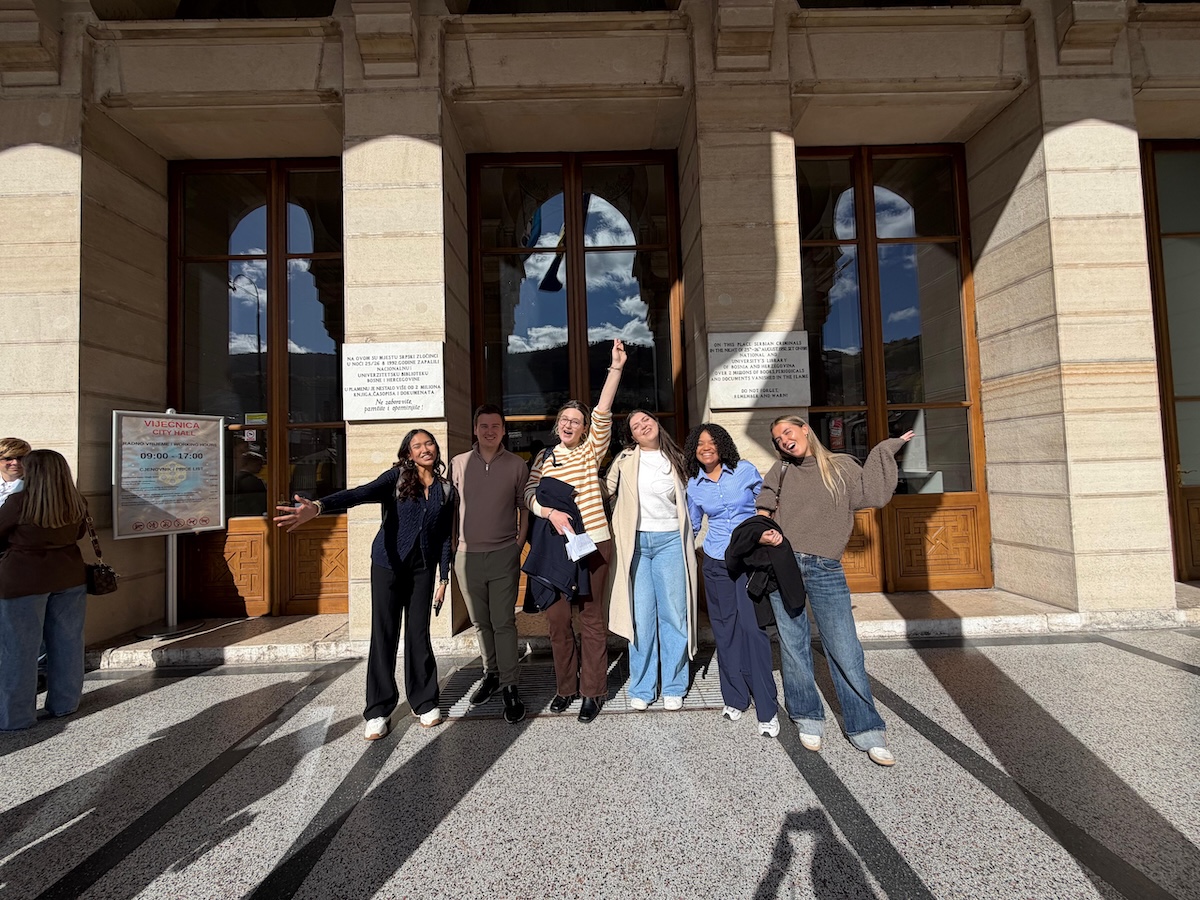
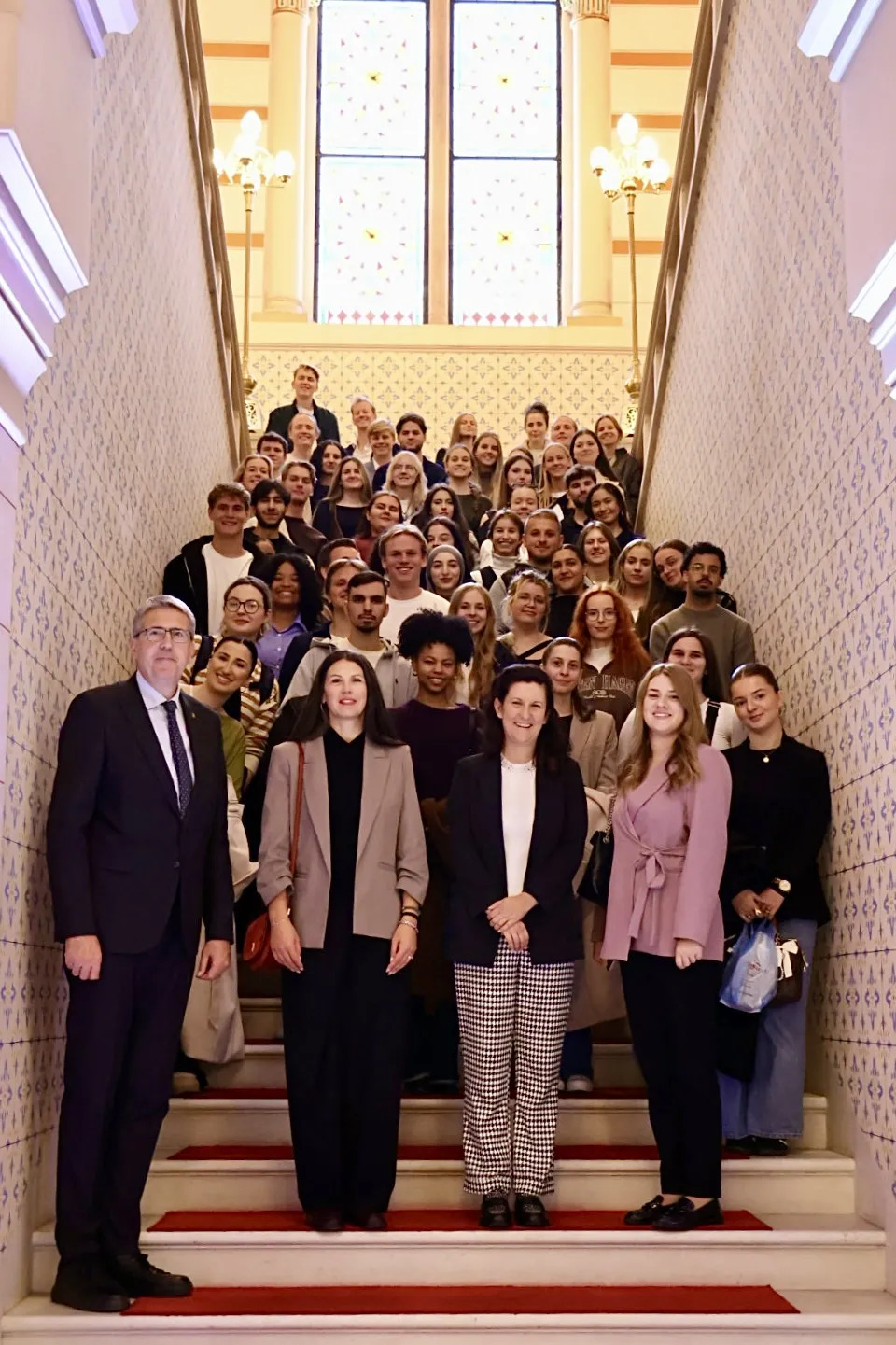
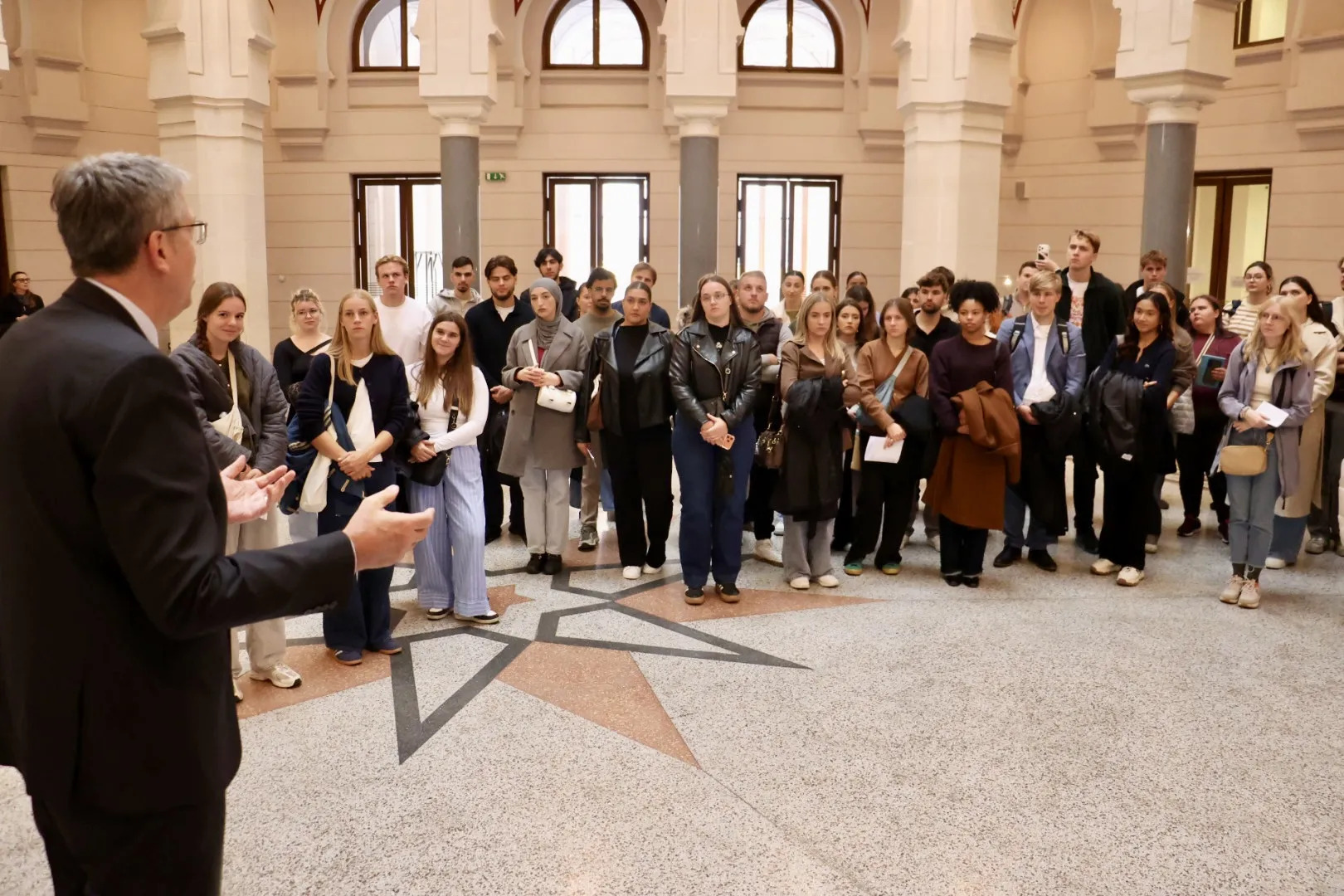
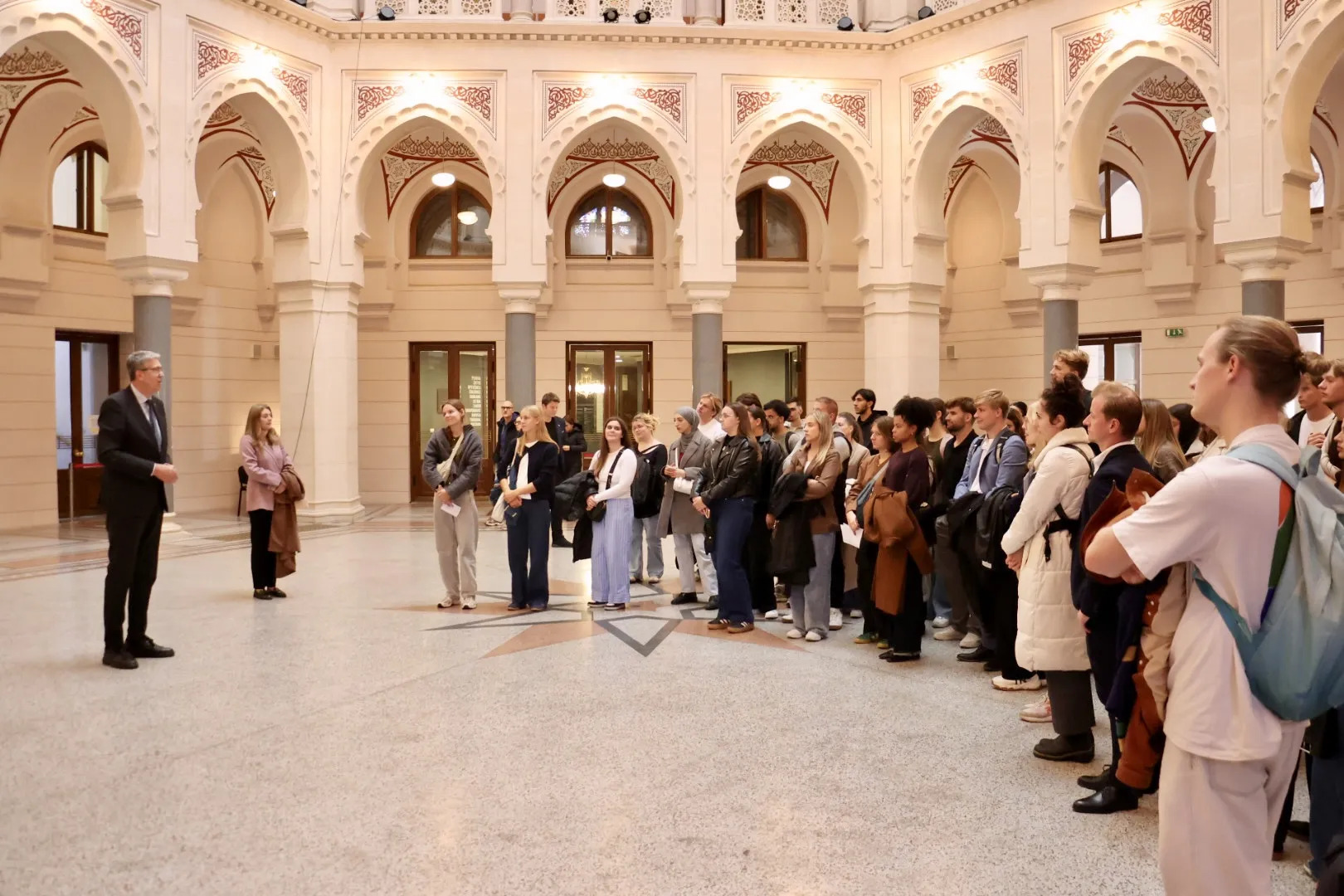
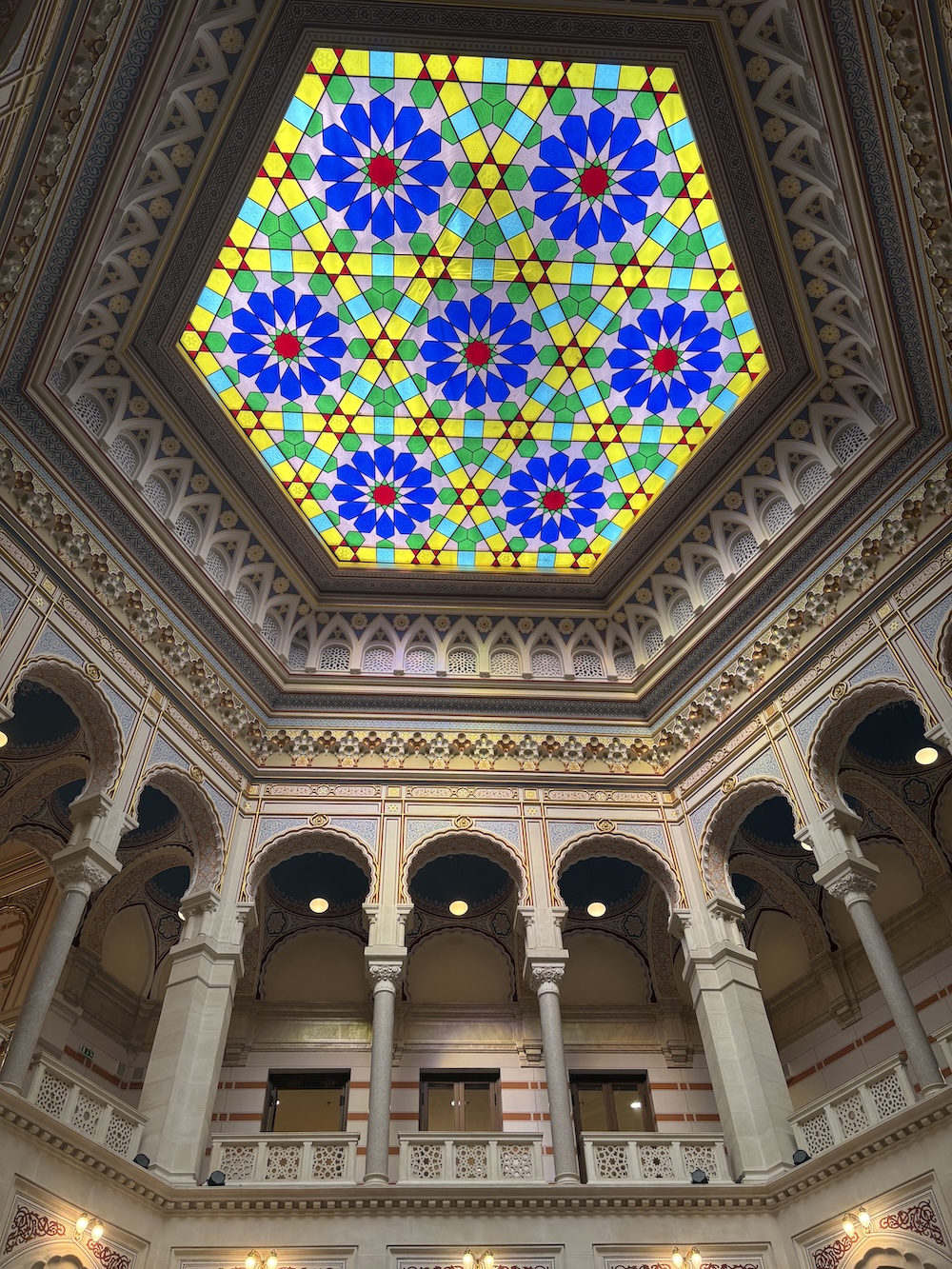
As part of the fourth international seminar “Social Issues in an International Perspective”, a group of 60 students and researchers from the Netherlands visited the Sarajevo City Hall today.
This is a joint academic activity of the Faculty of Political Sciences at the University of Sarajevo (Department of Social Work) and the HU University of Applied Sciences Utrecht (Netherlands).
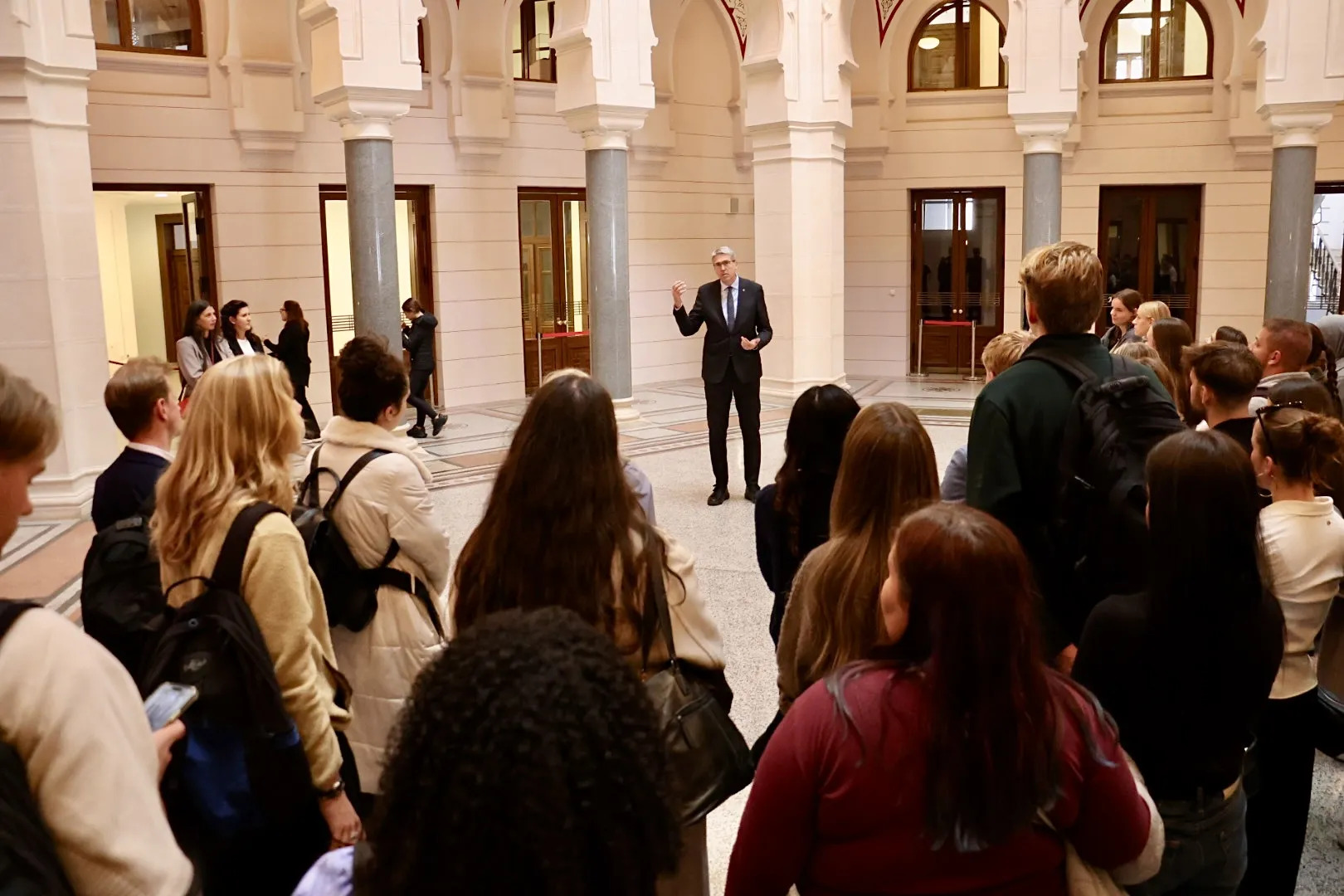
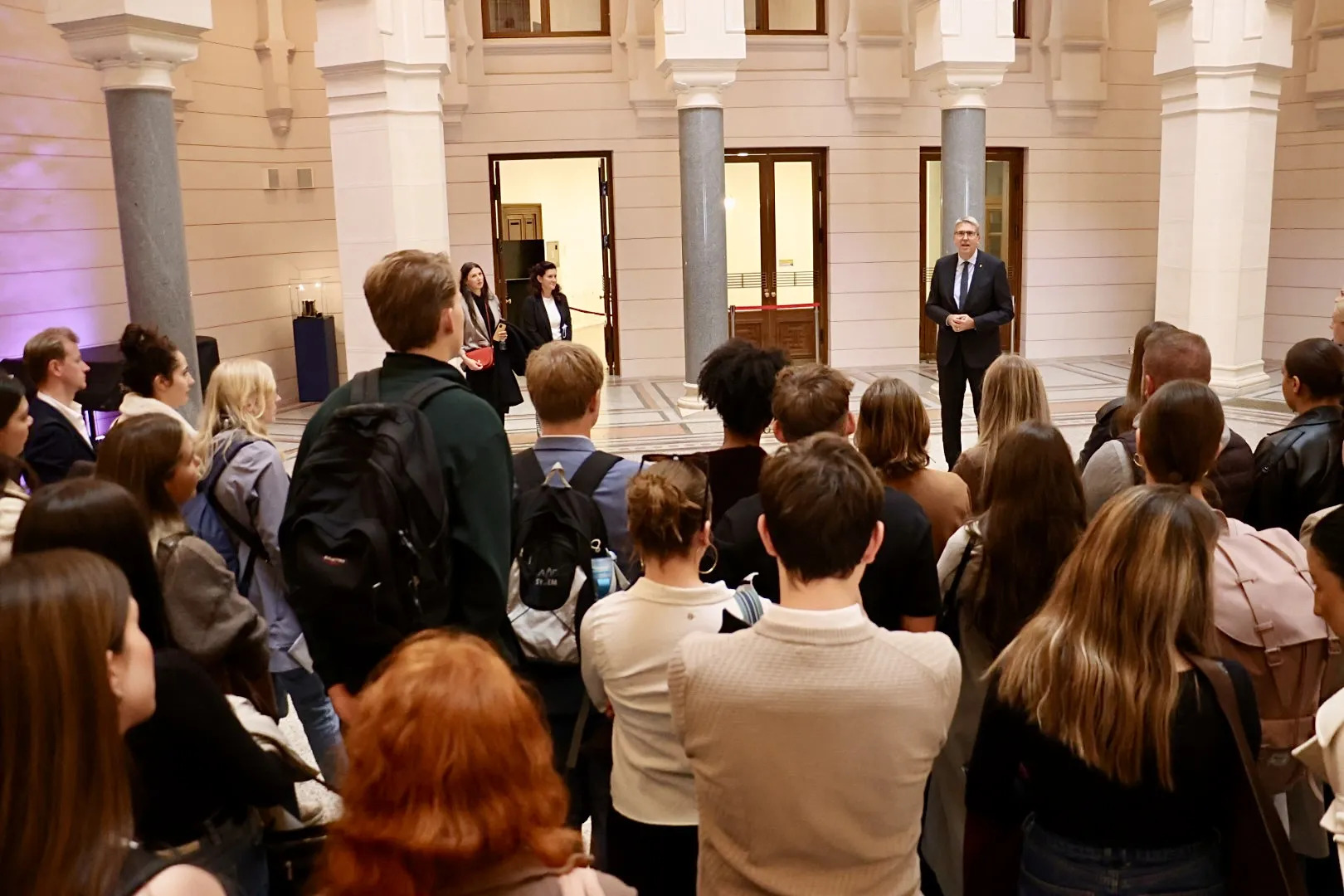
Accompanied by yunior teaching assistant Vasva Smajlović Duranović (FPN UNSA) and Professor Alma Mustafić (HU), who co-coordinates the project alongside Professor Sanela Bašić (FPN UNSA), the students were welcomed and greeted by the Mayor of Sarajevo, Samir Avdić.
On this occasion, the mayor emphasized the importance of international academic cooperation and the role of young people in the processes of facing the past.
“It is my pleasure to welcome you here today as we connect in our city for the first time. The exchange of knowledge and experiences among students is of utmost importance for the functioning of local government. You provide us with fresh ideas and energy that we wish to harness. Sarajevo will always remain open to supporting and empowering young leaders,” said Avdić.
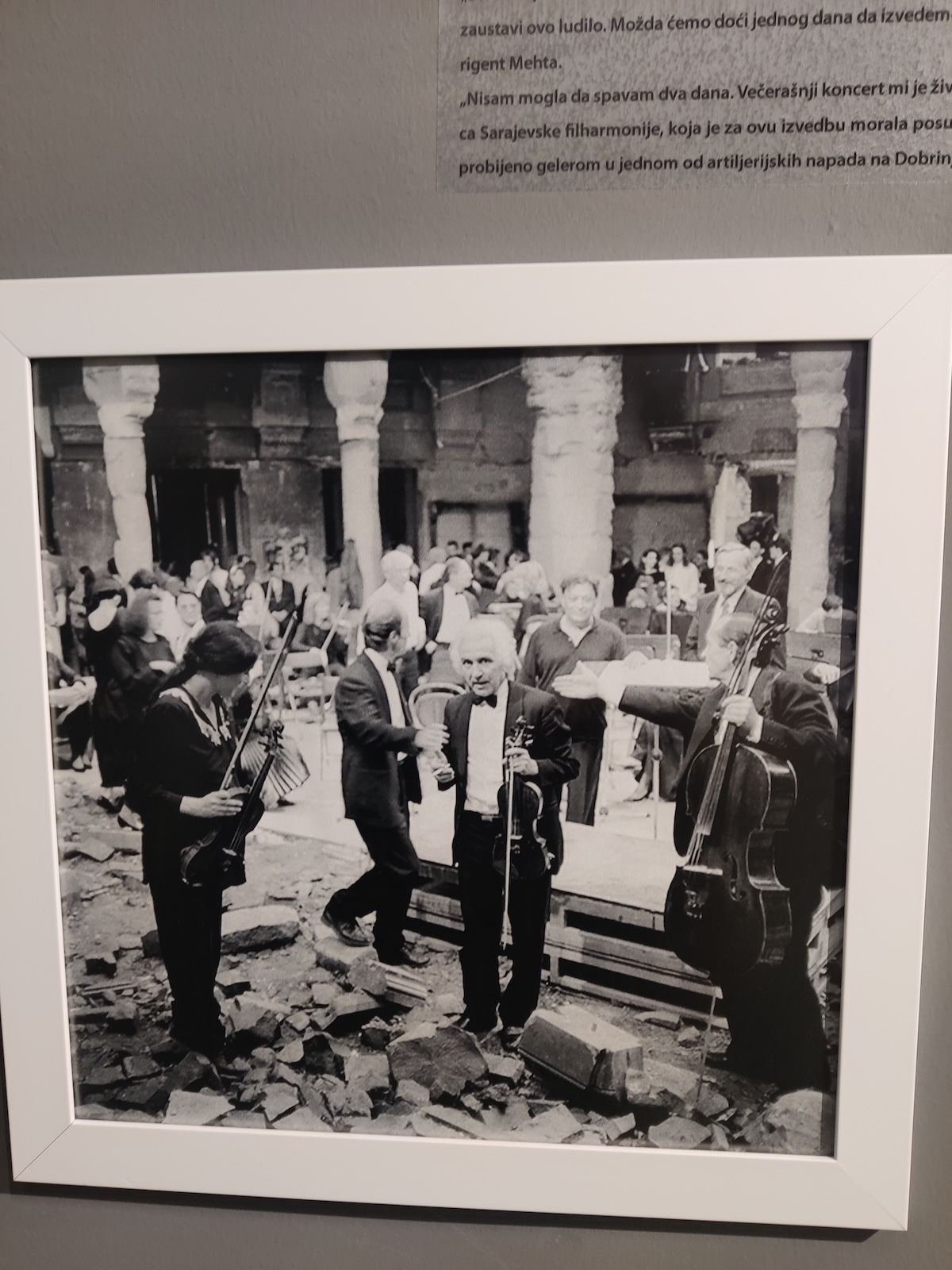
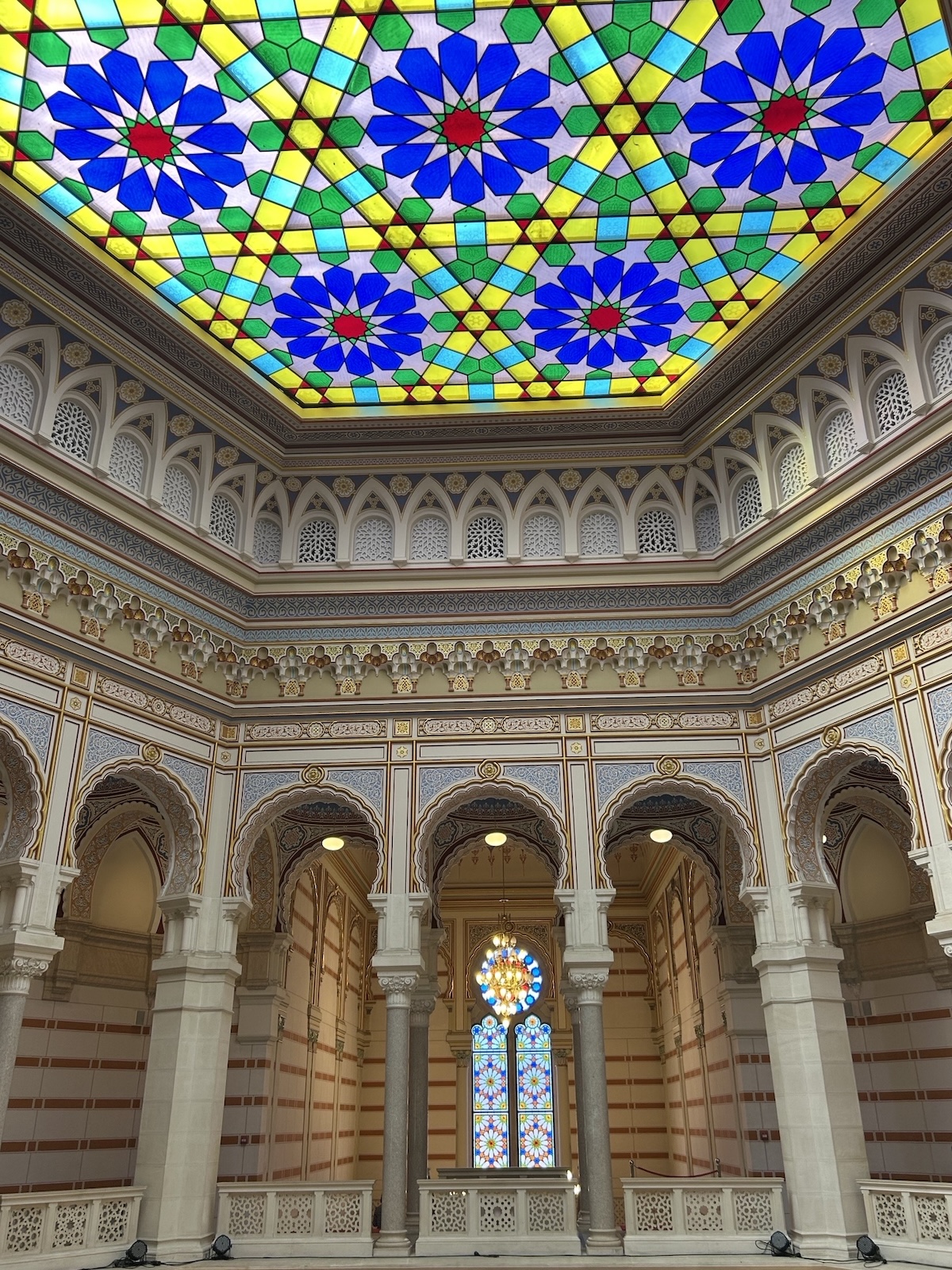
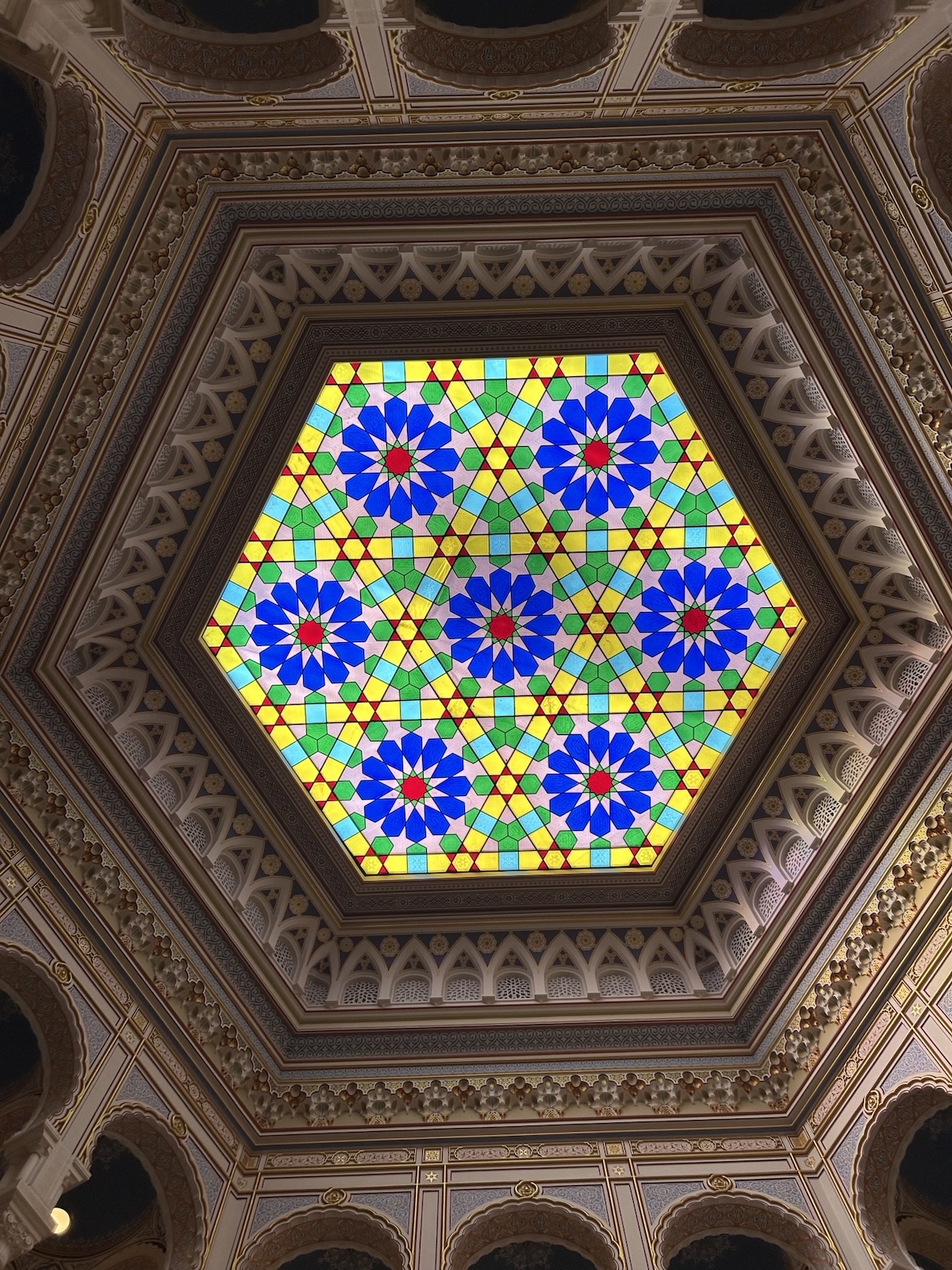
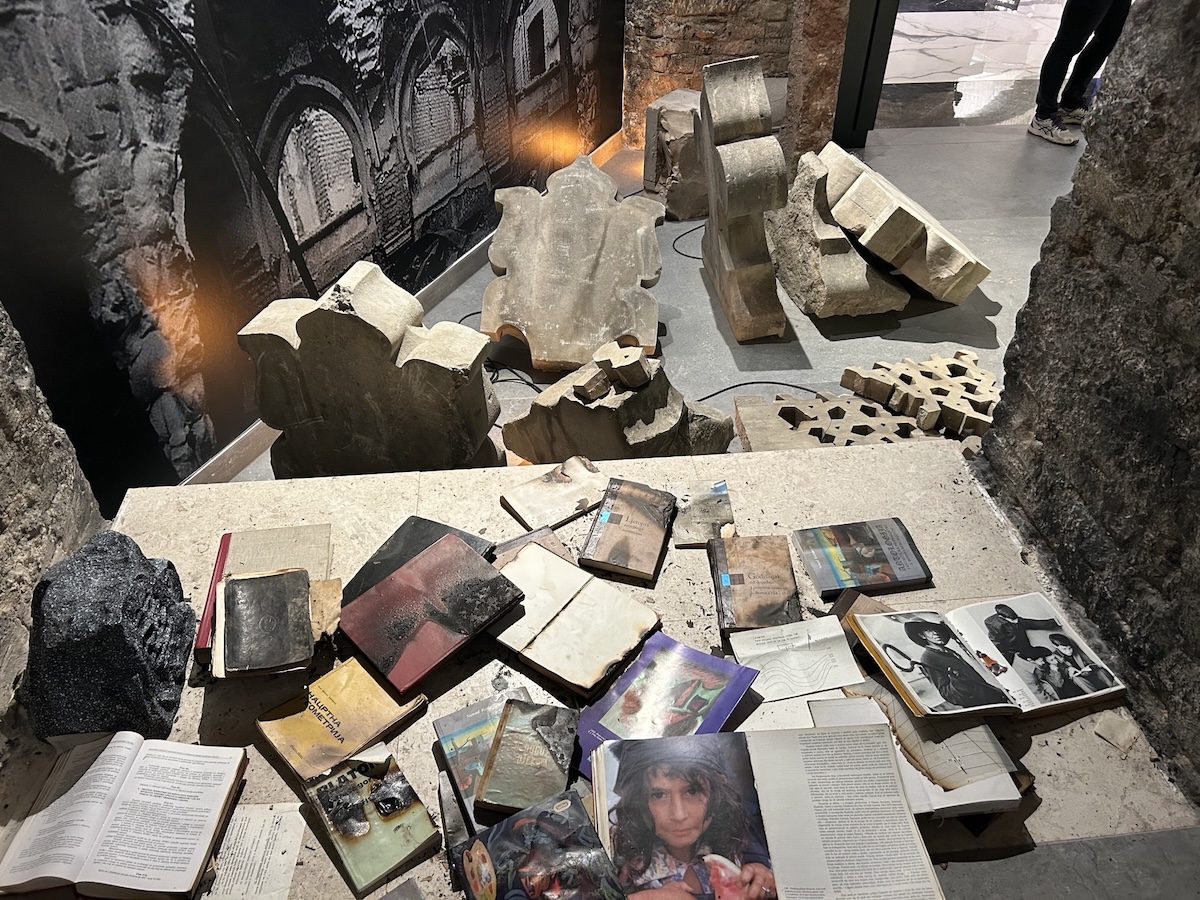
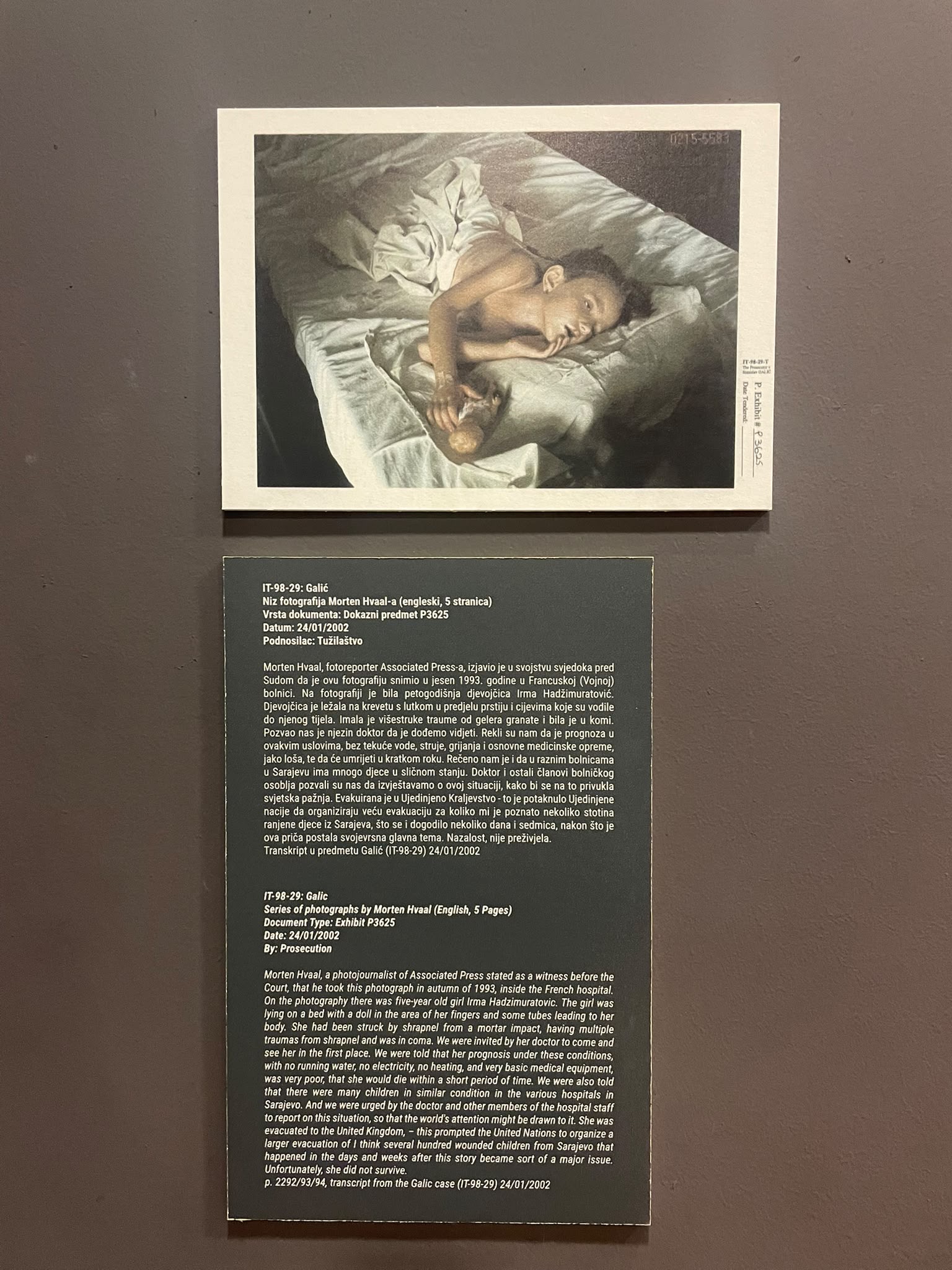
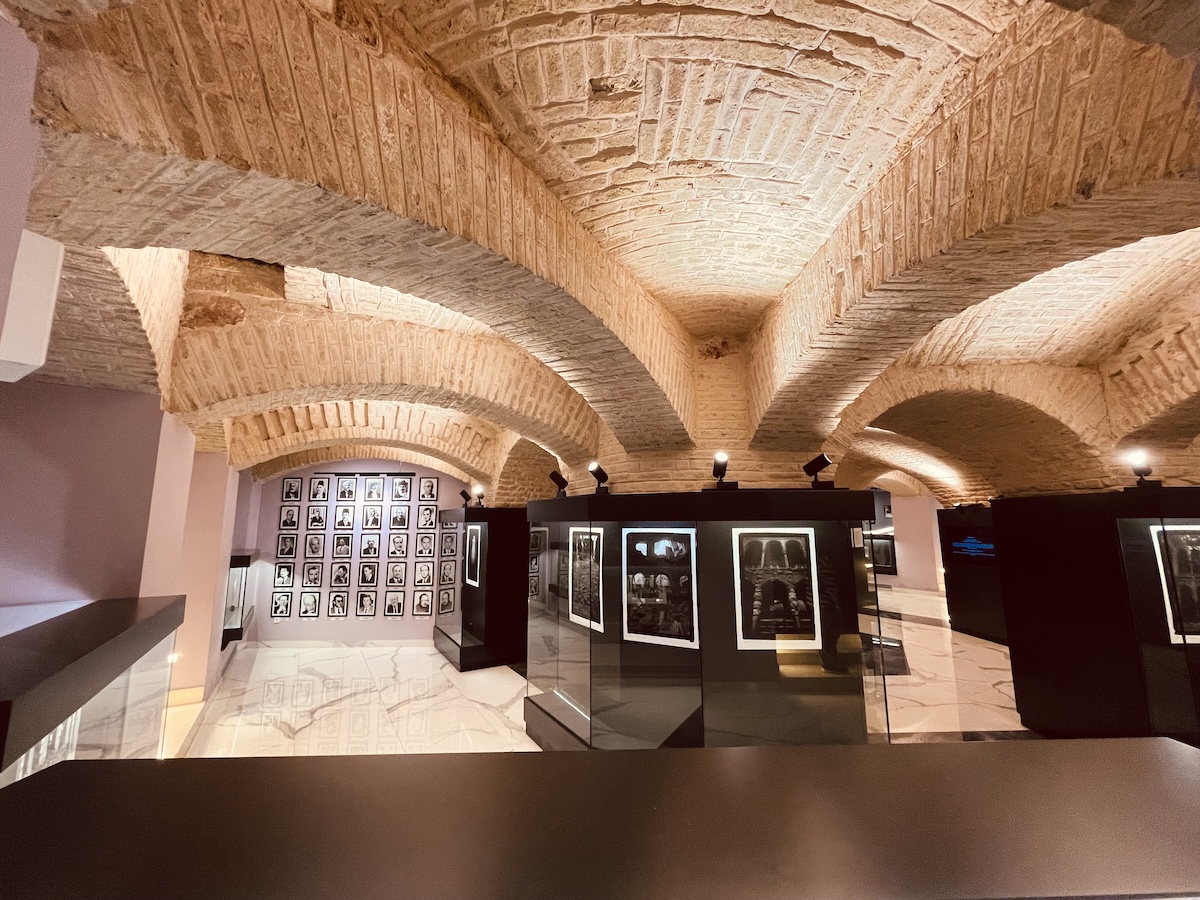
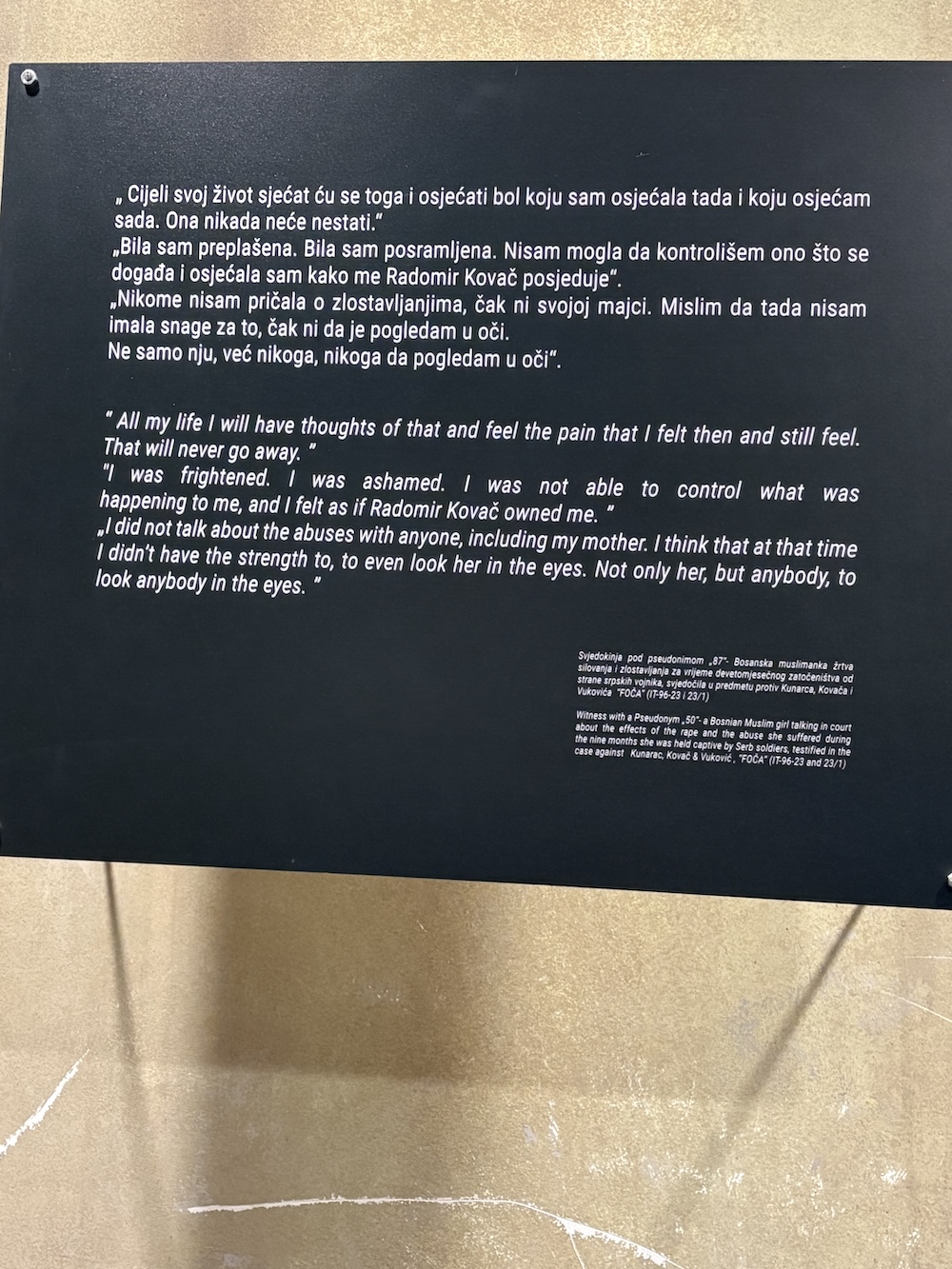
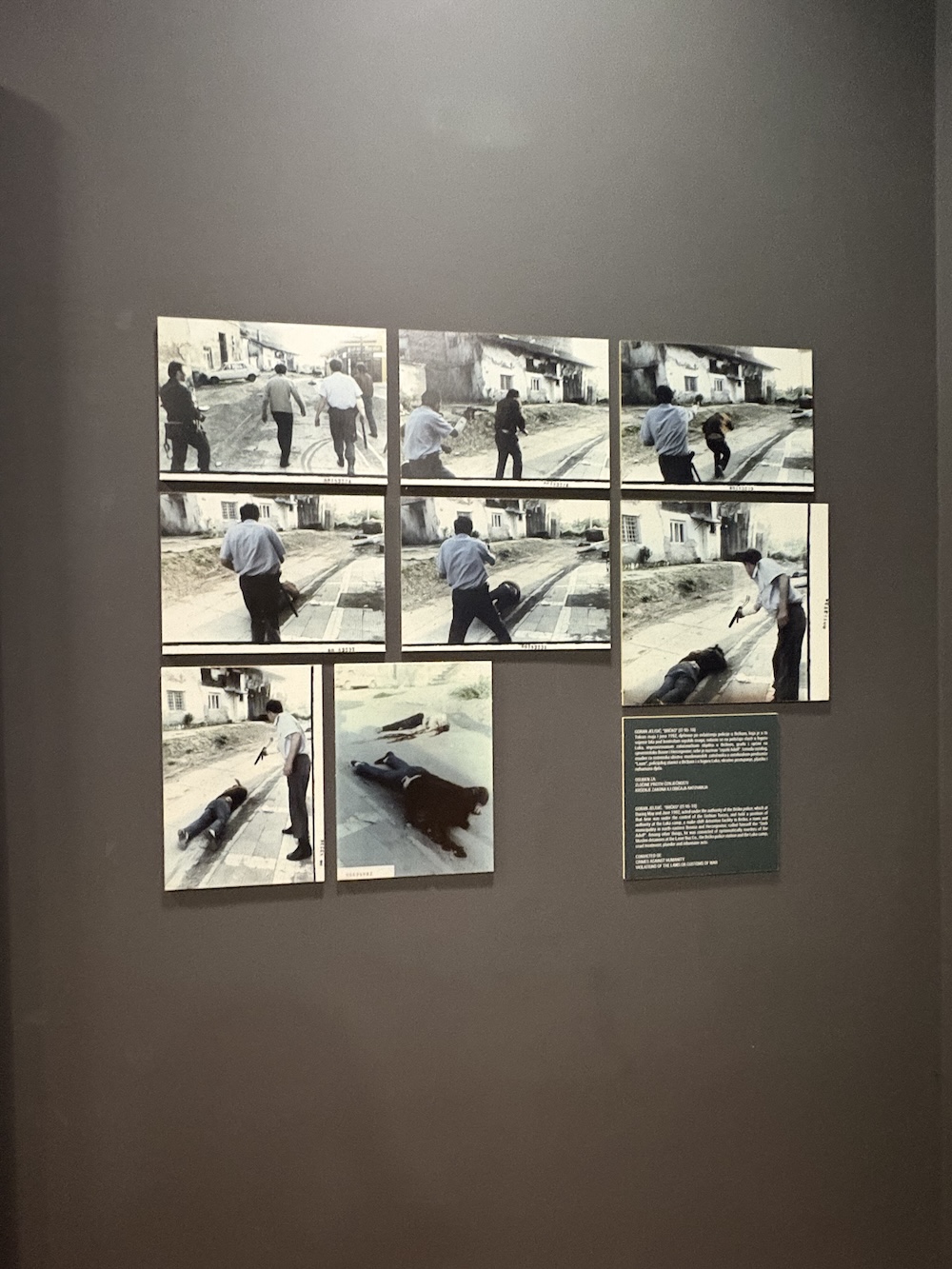
Following the welcoming remarks, the visit continued in an innovative, interactive format. Instead of a traditional lecture, the 60 students were divided into smaller working groups to explore the museum exhibition space within the City Hall, engaging in discussions about the contemporary challenges faced by post-conflict societies. In addition, the young researchers gained a detailed insight into the legacy of the International Criminal Tribunal for the former Yugoslavia (ICTY).An expert lecture on the Tribunal’s mandate was delivered by Ismena Čaušević, Expert Advisor at the Information Centre, who presented authentic documents, photographs, and witness testimony excerpts that served as evidence in The Hague.
Students' statements
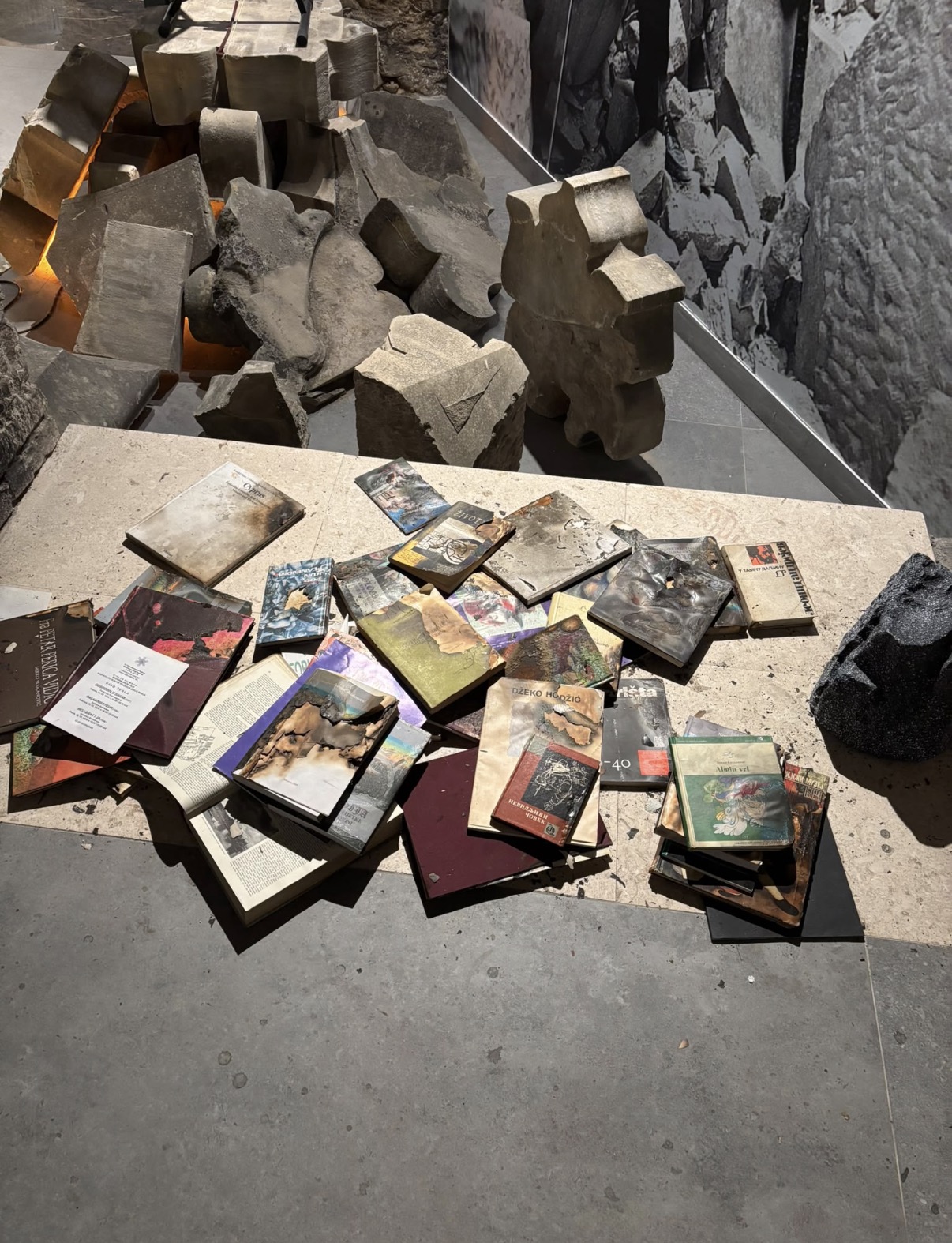
“Physical evidence stands as a testament not only to resilience, but also to defiance against what happened in Sarajevo and the war in Bosnia more broadly. Every time we walk past it, it reminds us of the consequences that deep-rooted divisions can inflict on a society. If the physical evidence disappears, ‘never again’ loses a great part of its meaning. This is also why it is important to incorporate emotional connections into memory. It helps us understand how we can prevent such things from happening again by keeping collective memory tangible.”
Seda Yildiz – The Netherlands
Mick Bens – The Netherlands
Jasper Bambacht – The Netherlands
Adna Bukvić – Bosnia and Herzegovina
Amina Bećirević – Bosnia and Herzegovina
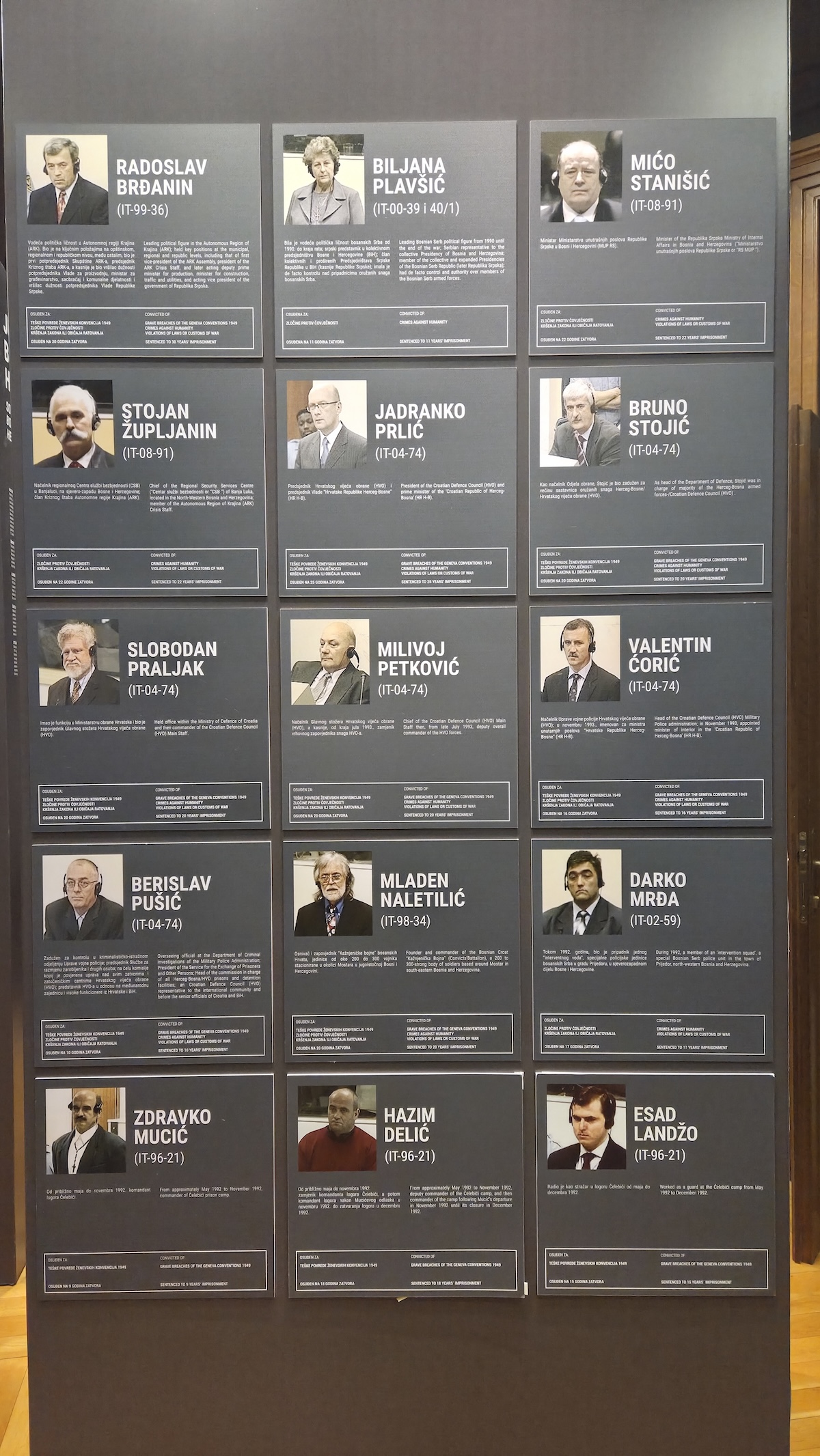
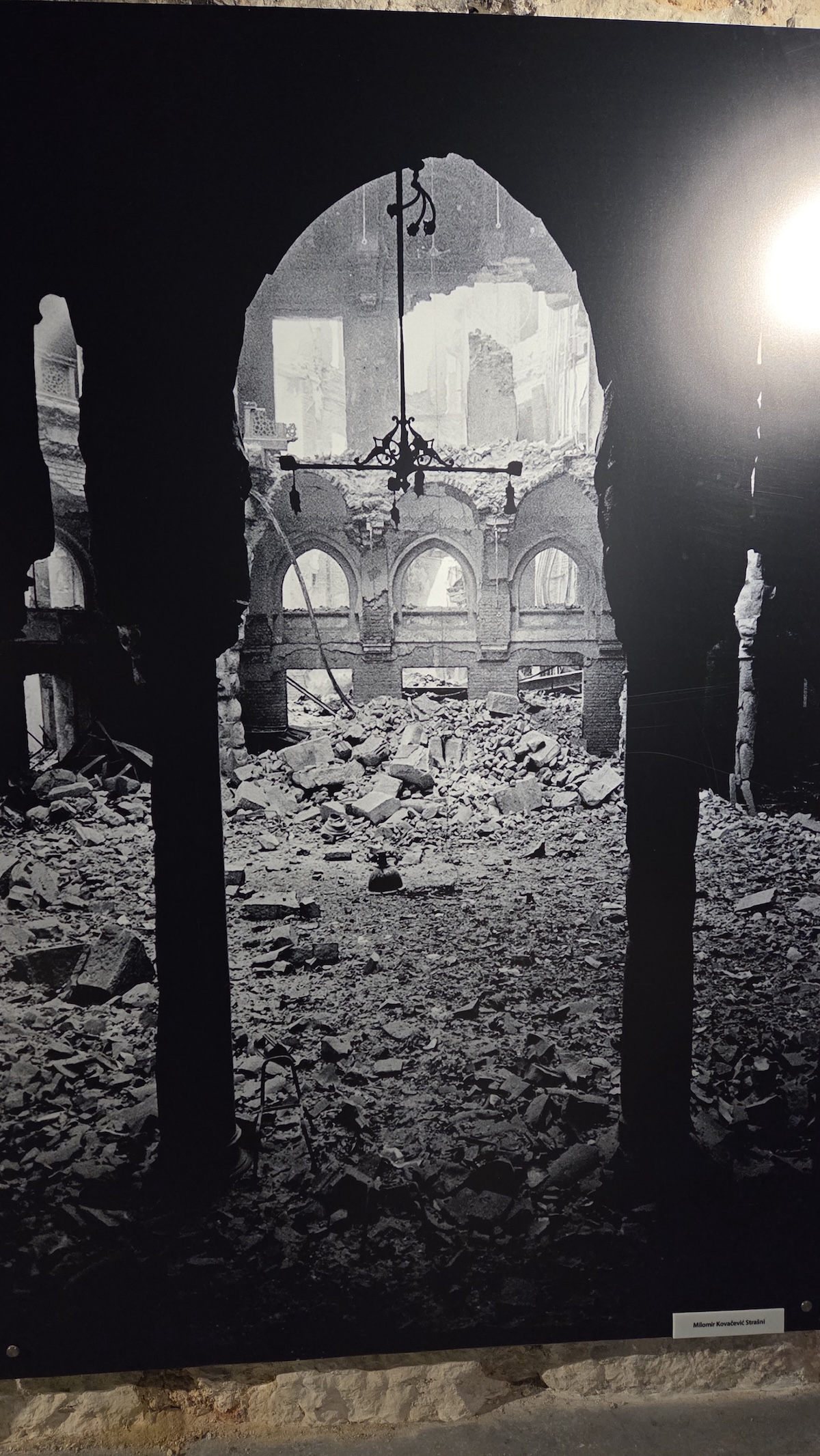
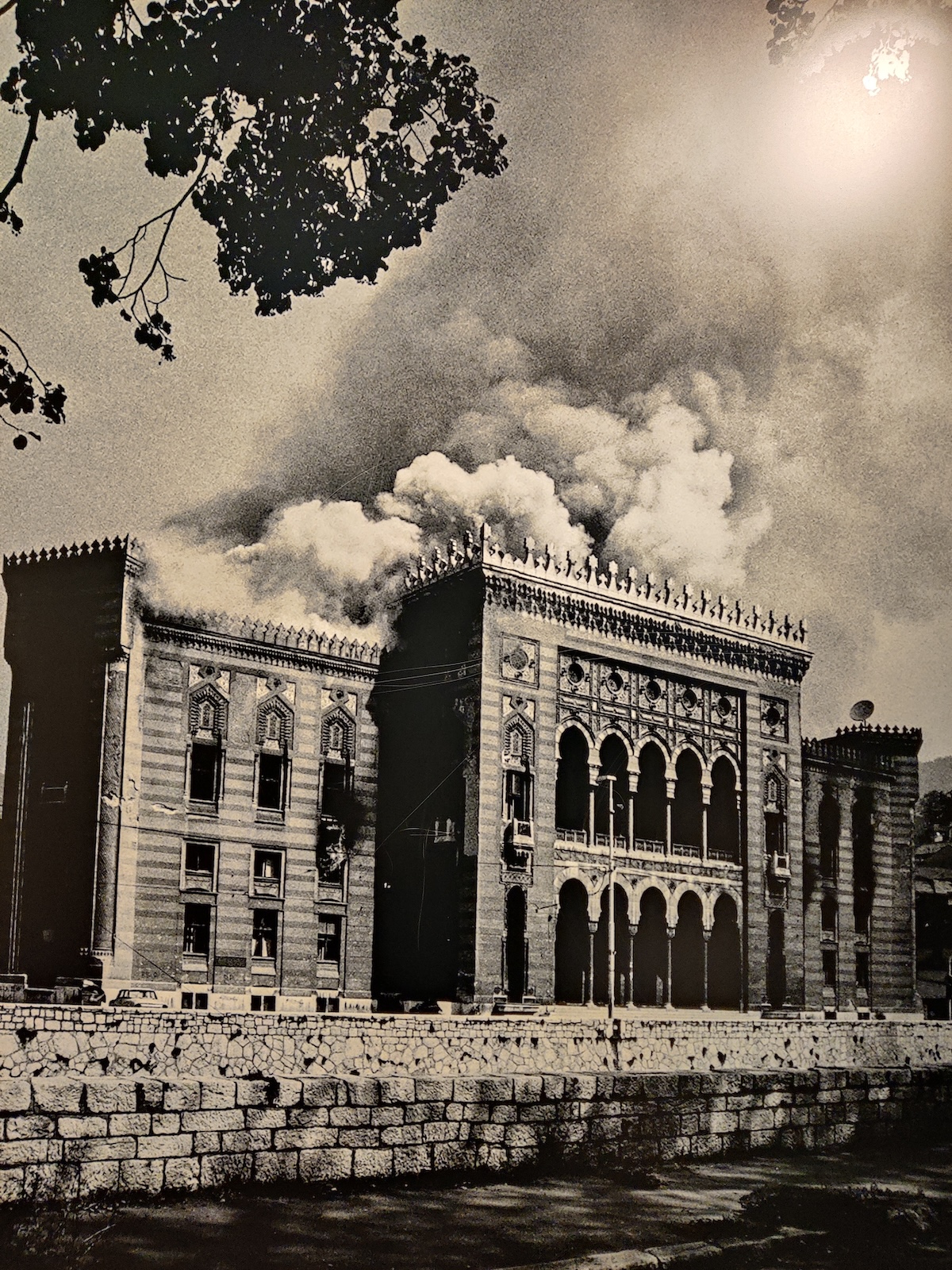
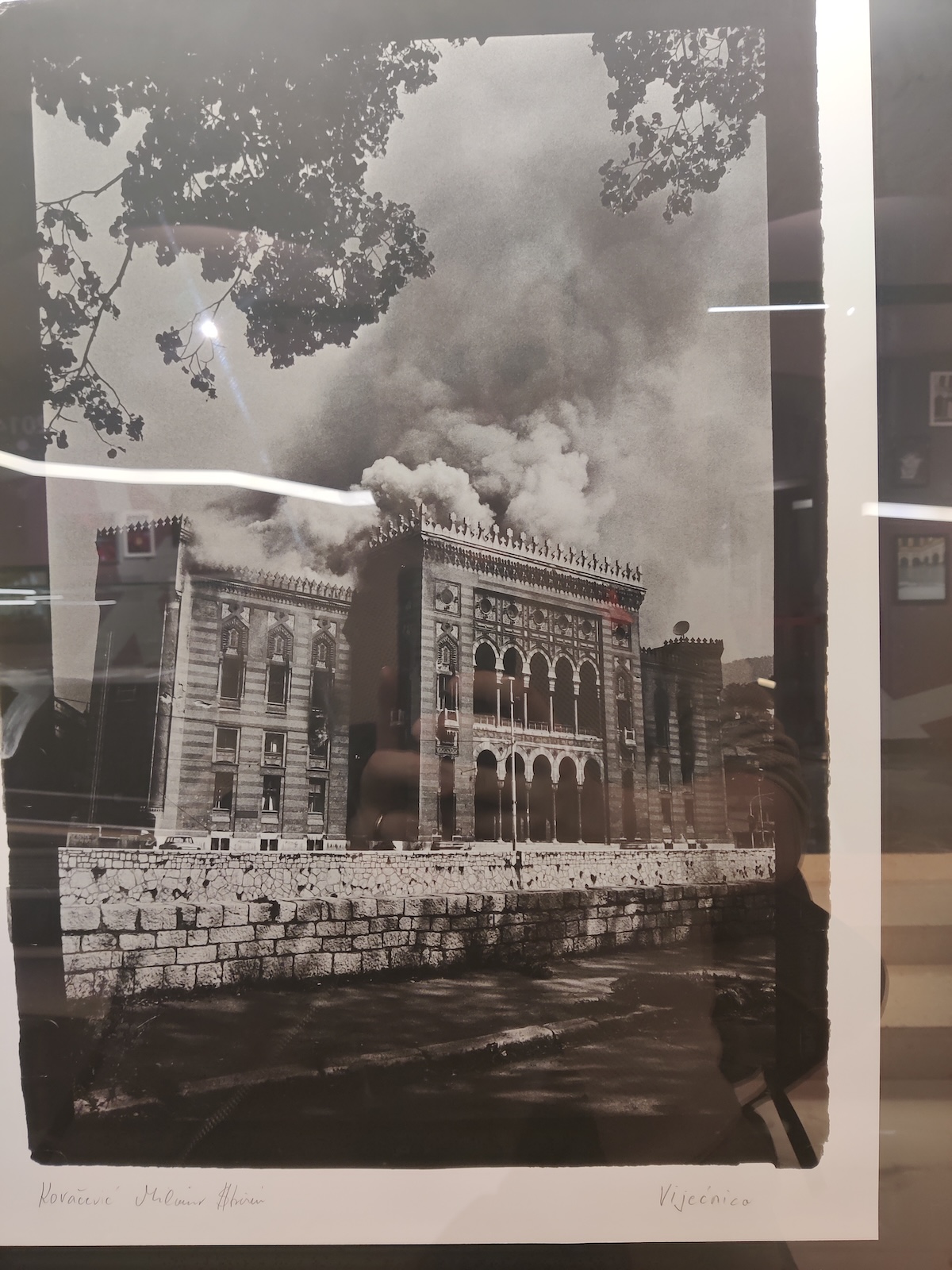
“History is not for sale. Justice is not for sale. Human dignity is not for sale. How can we build a united community when people are still pointing fingers at each other, blaming one another instead of working towards reconciliation? A community needs more than shared spaces. It needs collective memory, shared history, and mutual understanding. The possible sale of the ICTY building and its archives is not just about losing physical spaces. It disrespects victims, survivors, and the identity of an entire community. Just as the burning of Sarajevo’s City Hall was an attack on cultural memory, losing these archives risks erasing history and denying people’s suffering. Sarajevo’s resilience reminds us that rebuilding communities requires more than restoring buildings. It requires acknowledging the past, respecting victims, and creating spaces for dialogue.”
Cora Deinhofer (Germany)
Leonie Wennink (Netherlands)
Bryan Kalshoven (Netherlands)
Selma Bojadzija (Bosnia and Herzegovina)
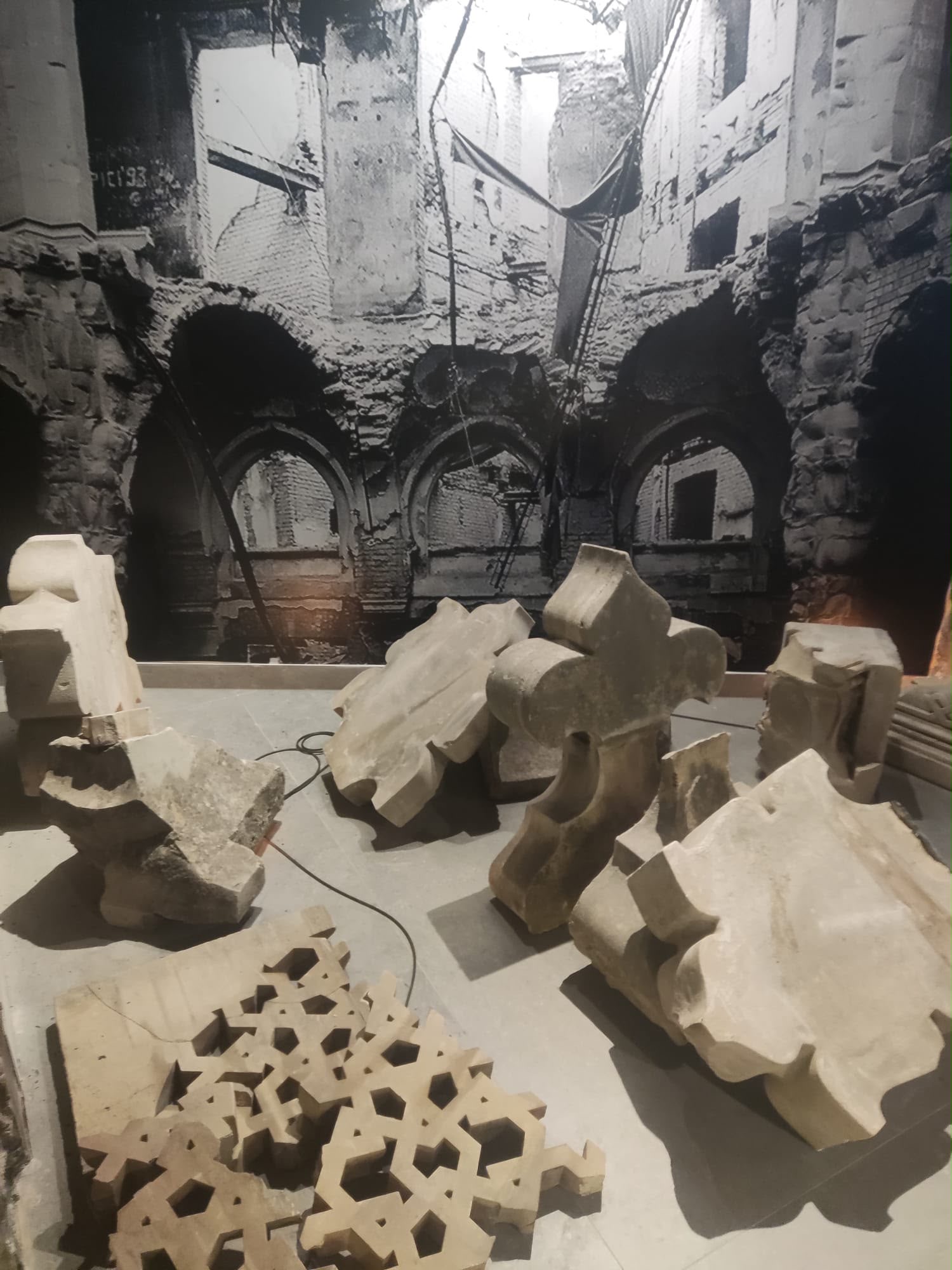
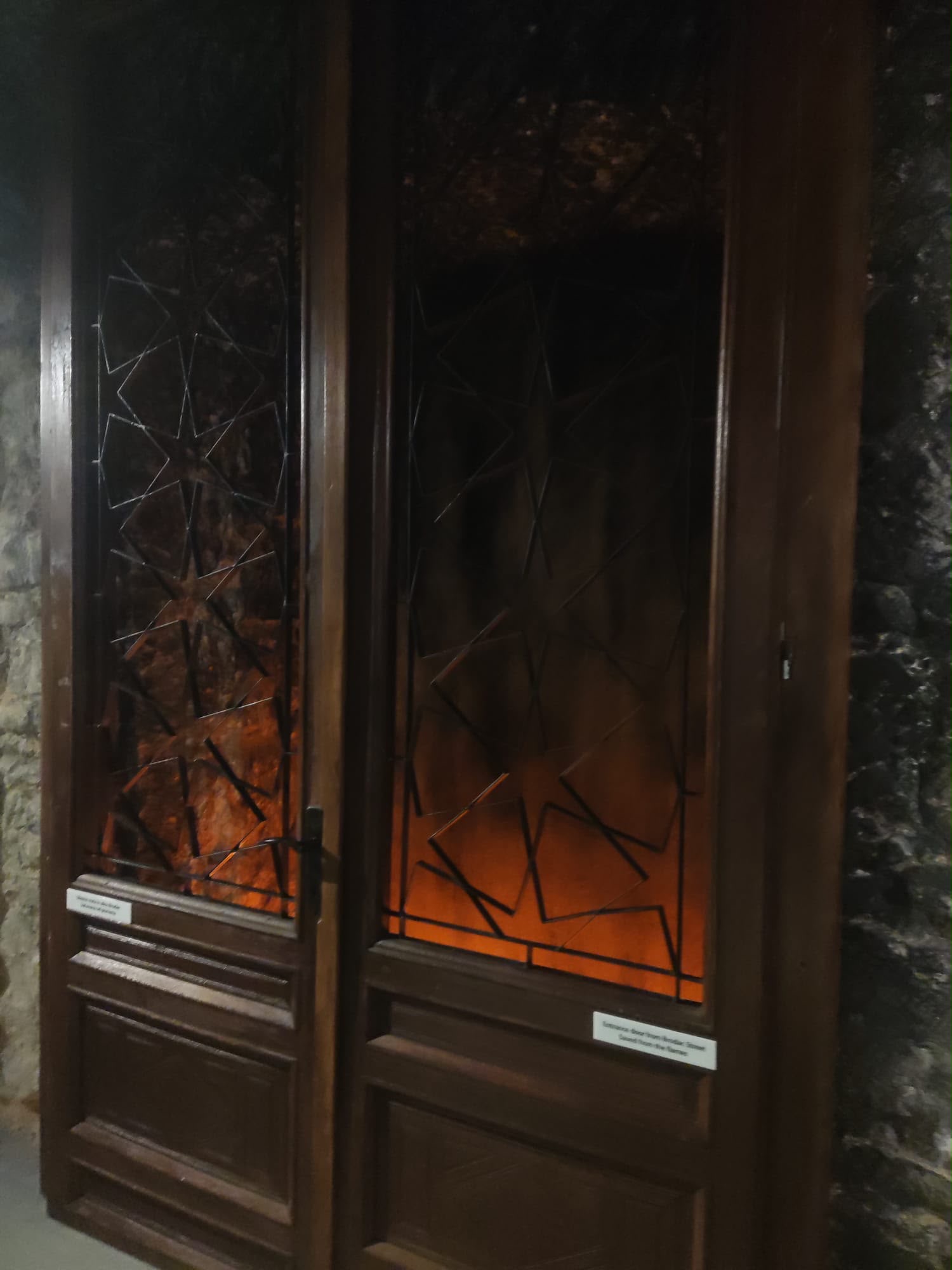
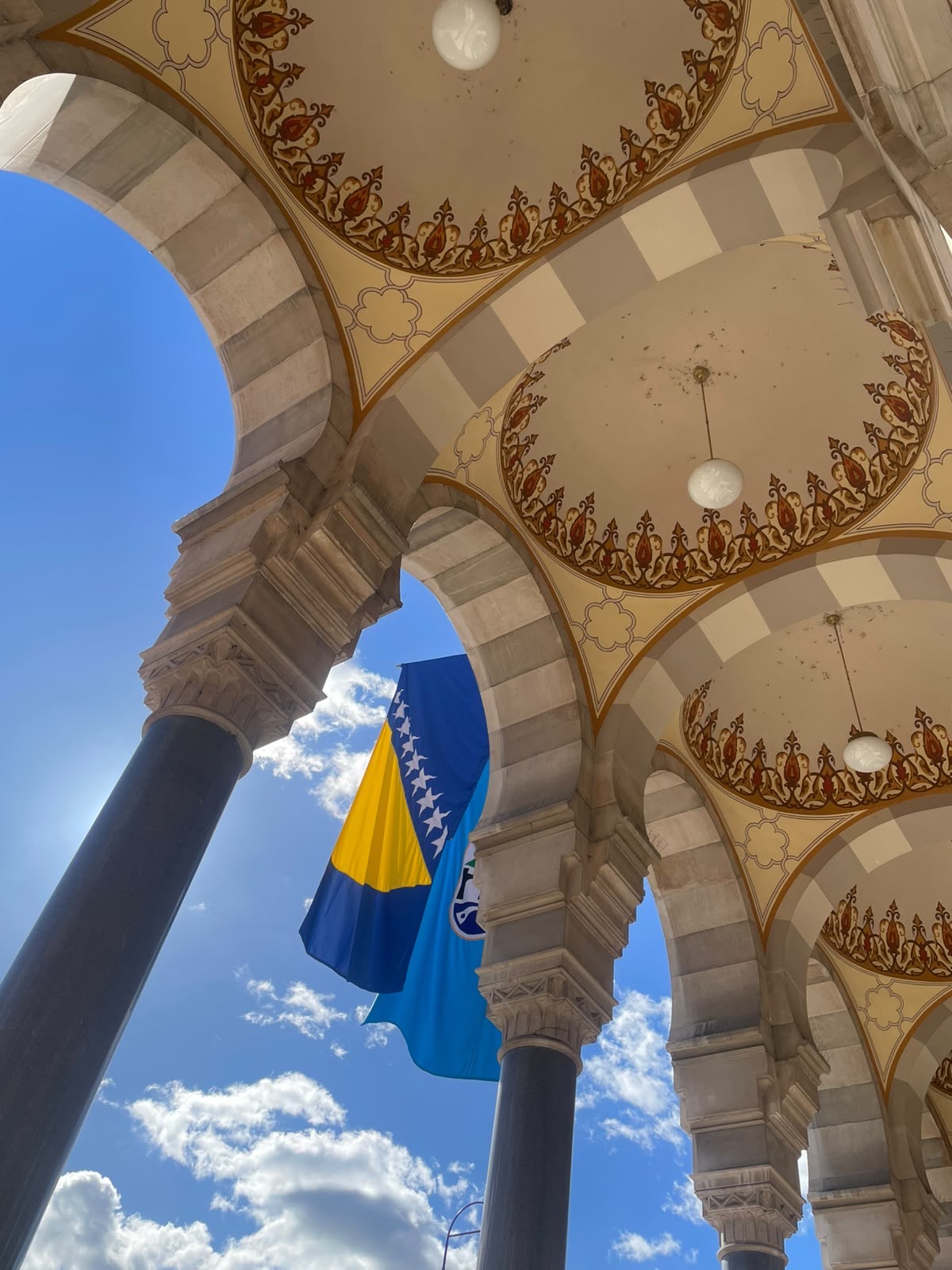
“Today showed us what resilience means in a place like this, where such a tragedy took place. The rebuilding of this site makes the memory more alive than ever. In times of polarization, standing together means everything. It is also representative of the rebuilding of the community. It shows that we need to be aware that heritage can be attacked by others. While rebuilding allows heritage to endure—at least in part—the possibility that it could be sold shows that it can come under attack again. We need to protect it at all costs. We need to stay united, with everyone!”
Sedina: Bosnisch
Ermina: Nederlands/Bosnisch
Josephina: Duits
Ize: Nederlands
”Standing inside the restored Vijećnica, we see that resilience is more than rebuilding walls. This library was burned, yet its reconstruction has returned a shared space for memory, learning, and public life. Meanwhile, the physical heritage of the International Criminal Tribunal for the former Yugoslavia (ICTY) in the Netherlands, including its courtroom and archives, is at risk of disappearing. Losing these places could weaken the tangible connection between evidence, accountability, and those affected by war.
As future global changemakers, we must protect both the spaces where communities recover and the sites where injustice is confronted. Justice and reconciliation depend on collective memory. True resilience means safeguarding truth, listening to survivors, and transforming painful histories into a lasting commitment to human dignity, dialogue, and peace.”
Florian Meer, Minor Global Changemakers (Germany)
Amina, Social Work master degree (Bosnia)
Yousef, Minor genocide in Srebrenica in context (Netherlands)
Raissa Dwi Putri Budiman / Indonesian
Robin Janssen / Dutch
Sljivo Mela / Bosnia and Herzegovina
Mirela Suljic / Bosnia and Herzegovina
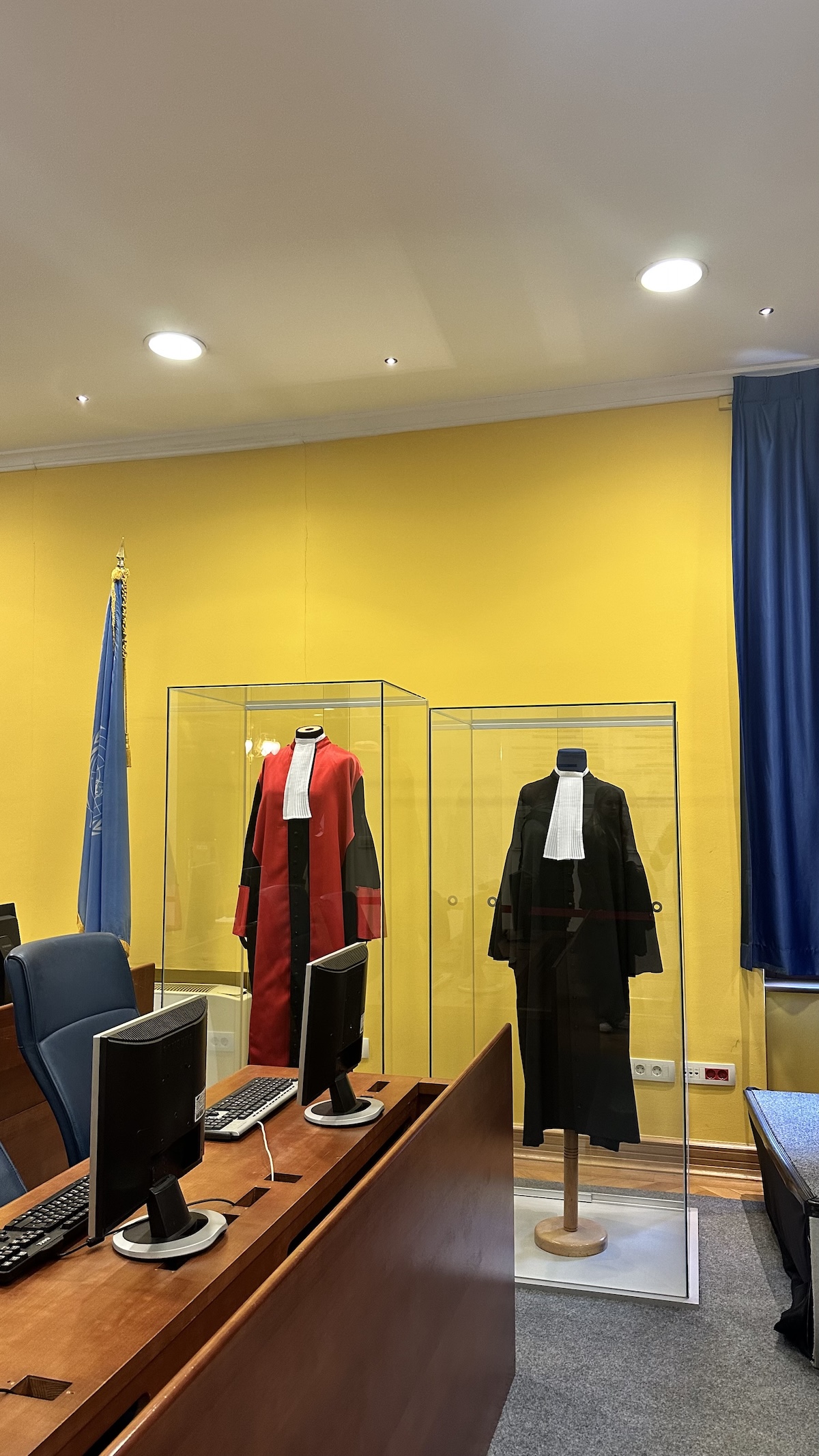
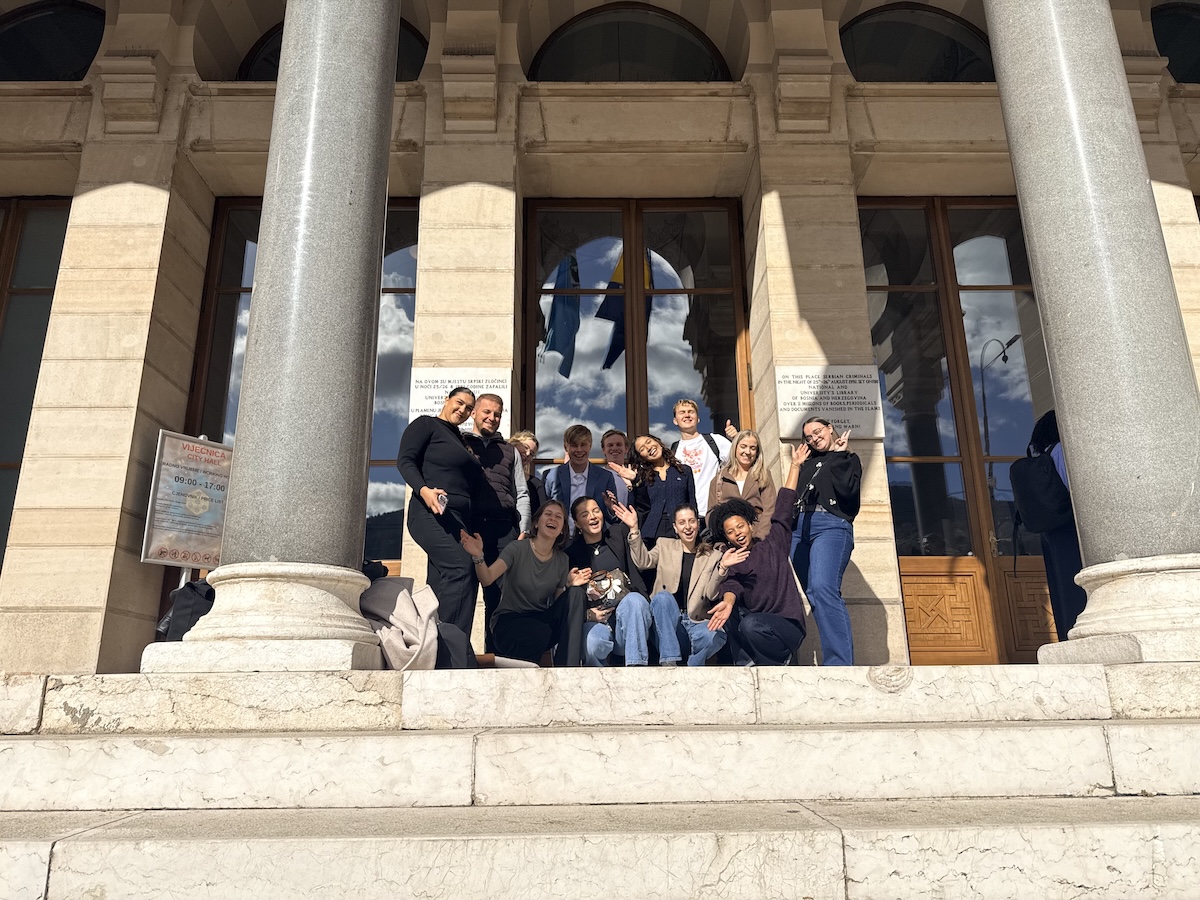
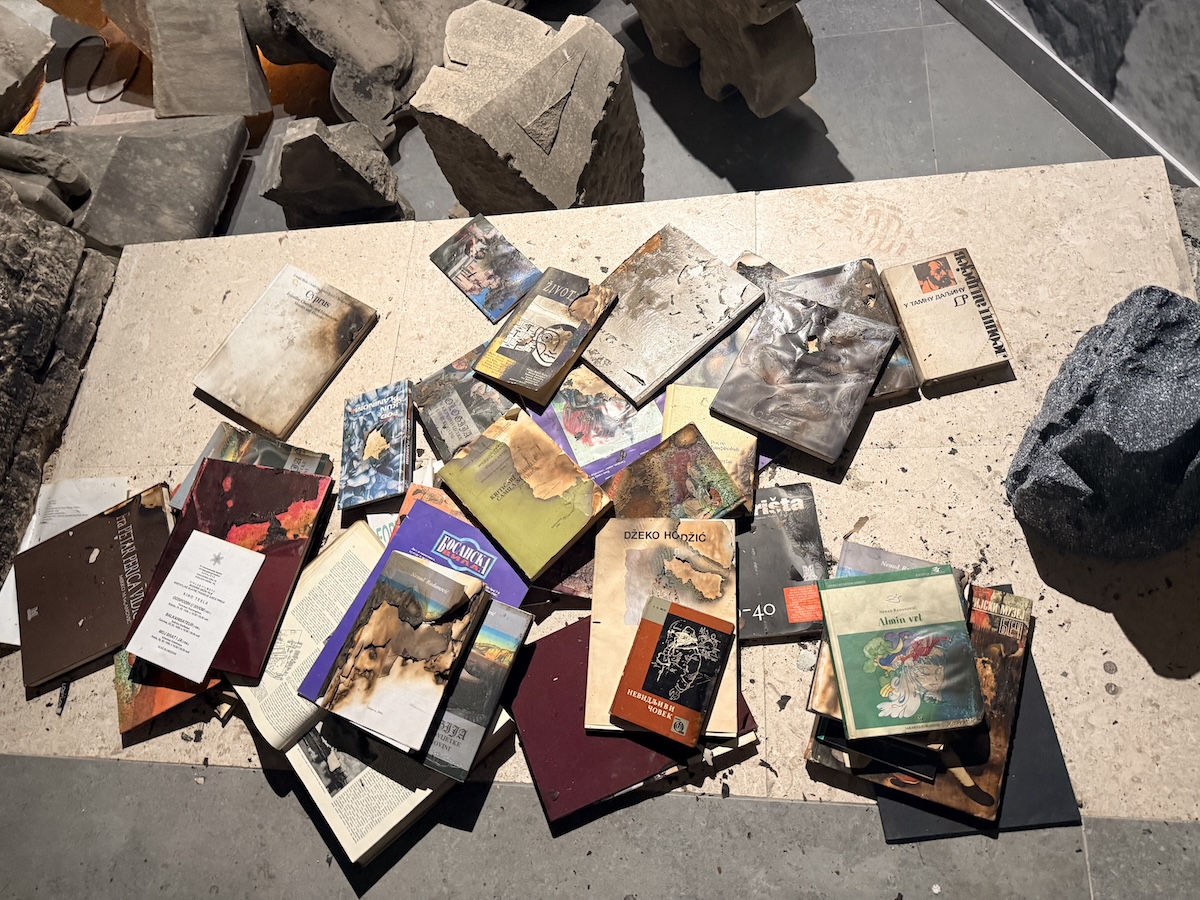
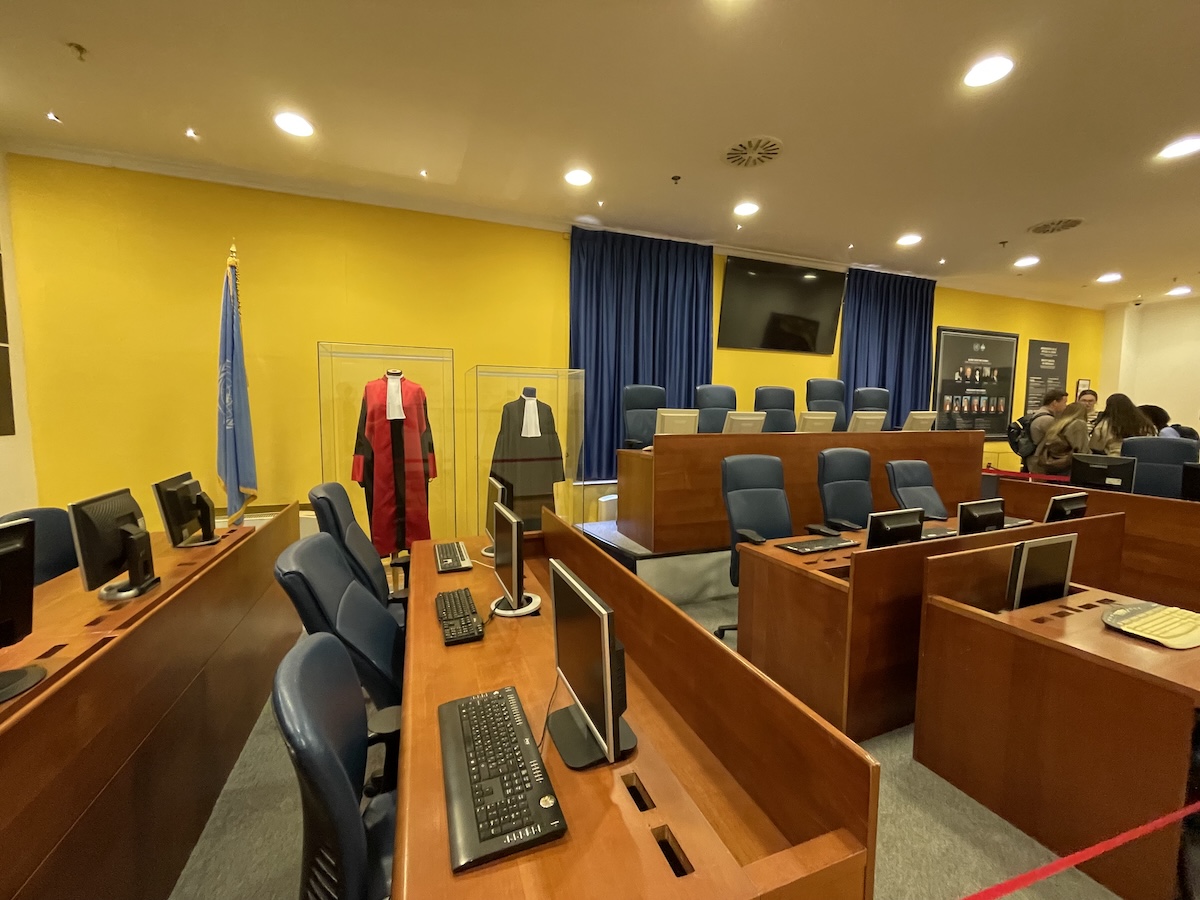
The restored Vijećnica shows us how strong a community can be after experiencing war and destruction. We also learned about the ICTY courtroom and how crucial justice is for victims. The establishment of this reconstructed courtroom inside Sarajevo’s City Hall reminds us that we must continue protecting history and safeguarding the truth.
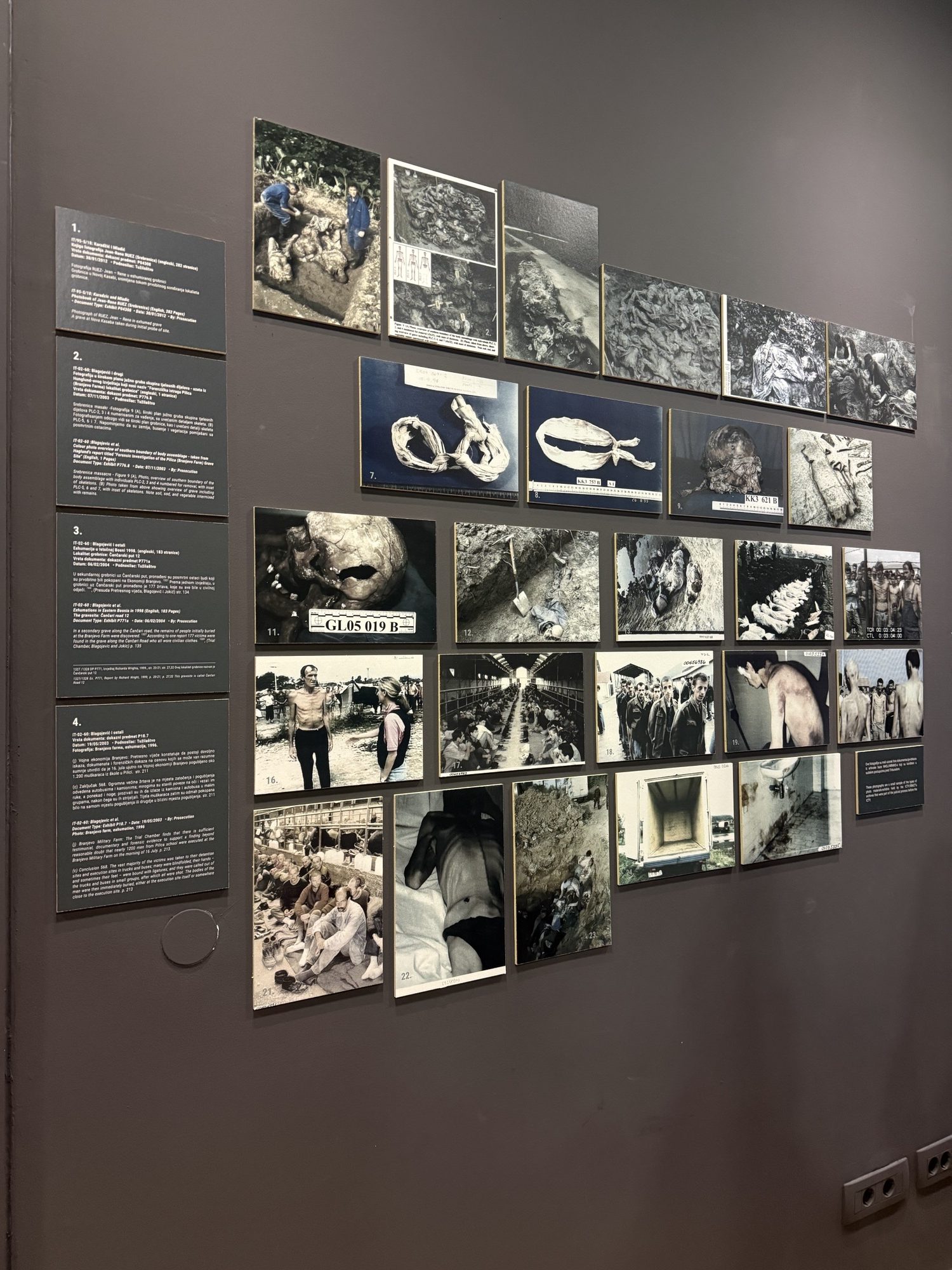
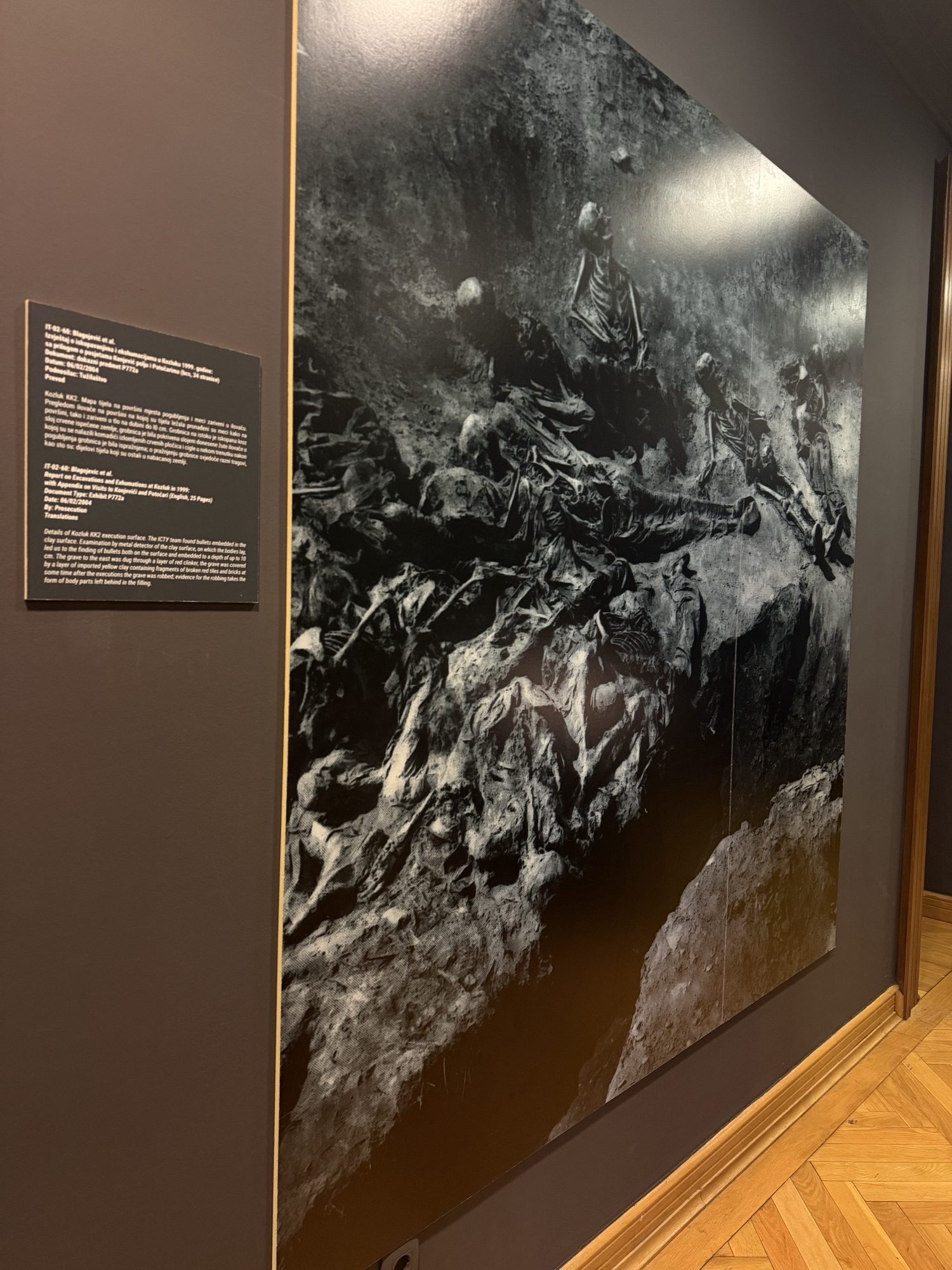
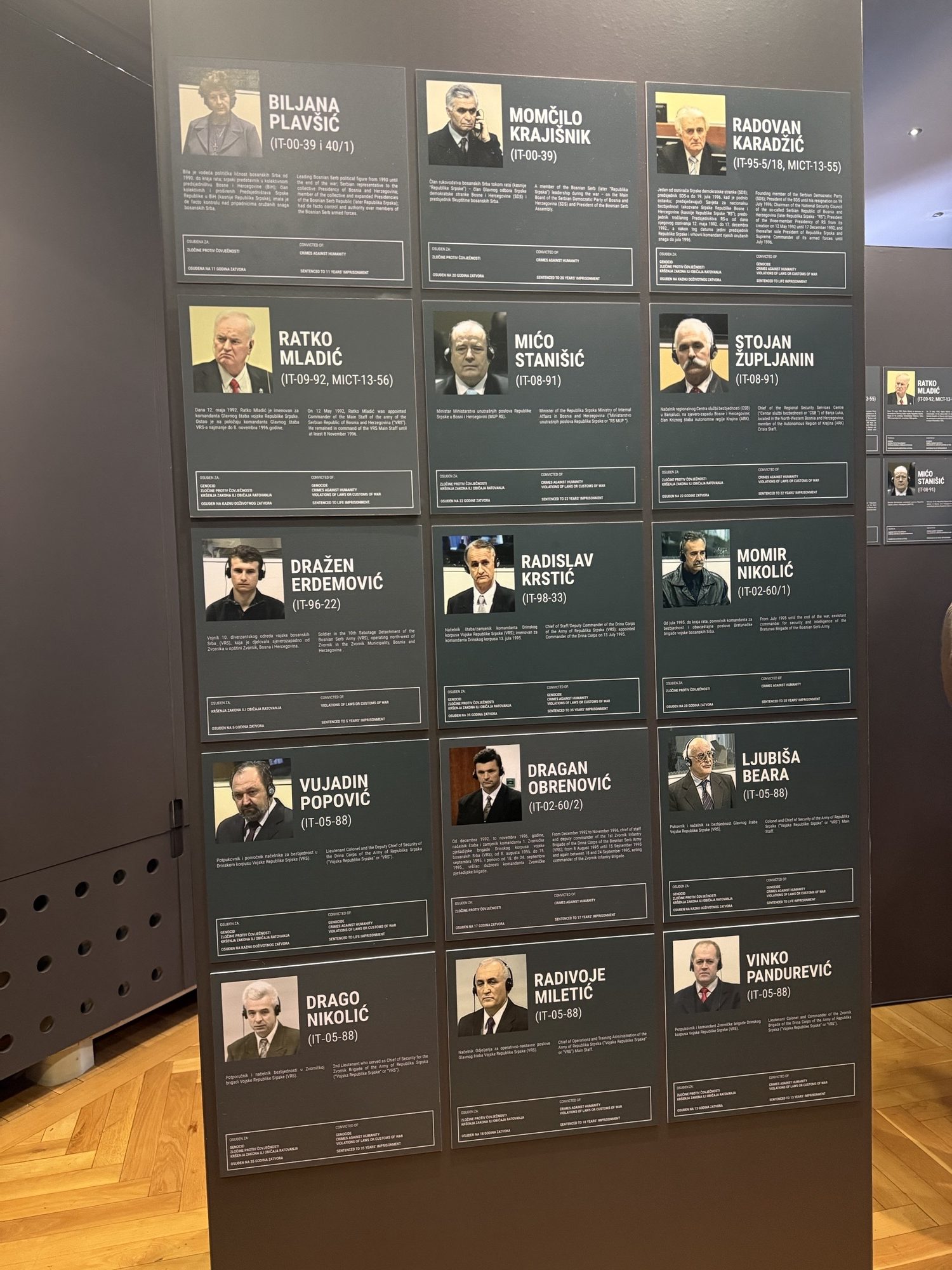
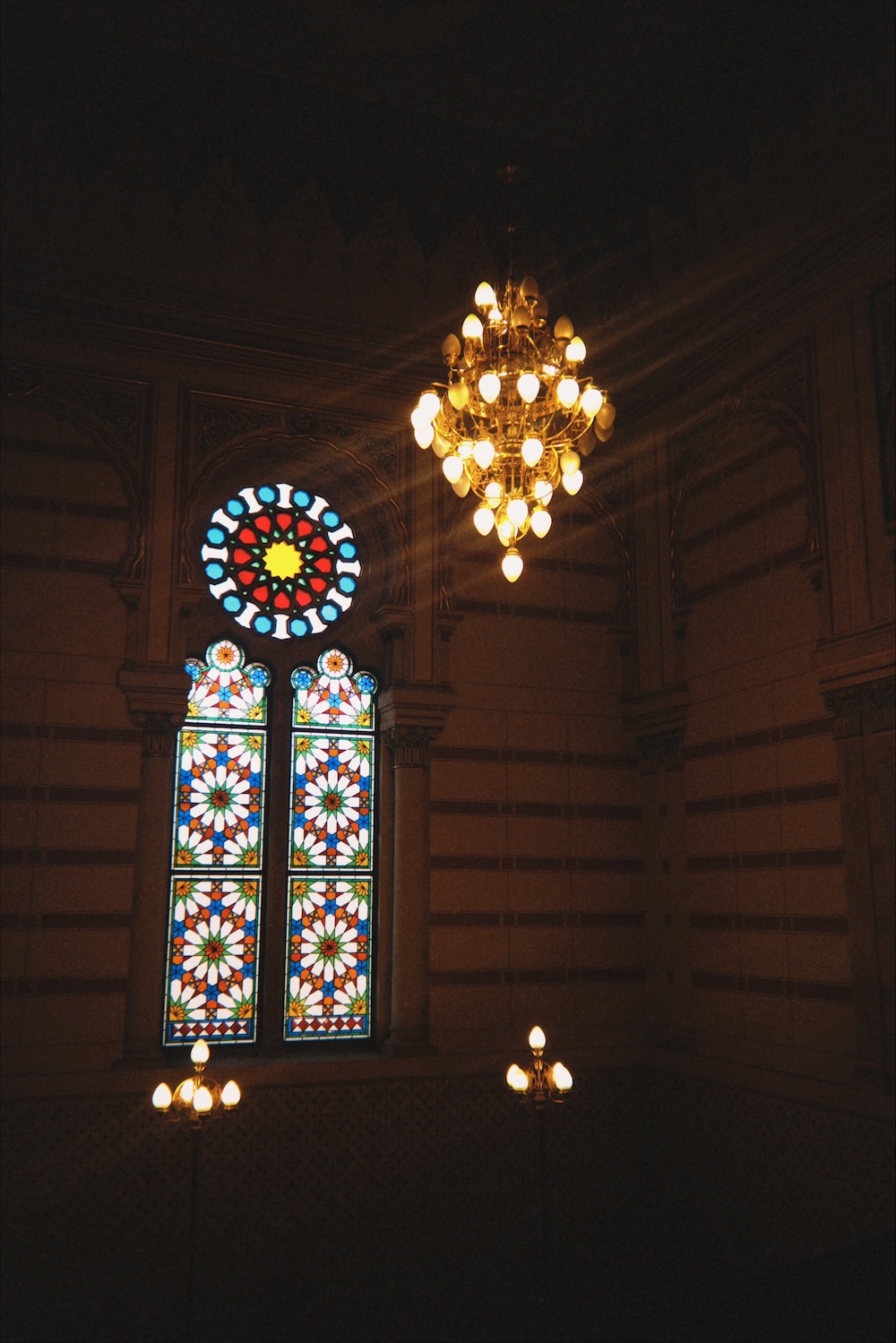
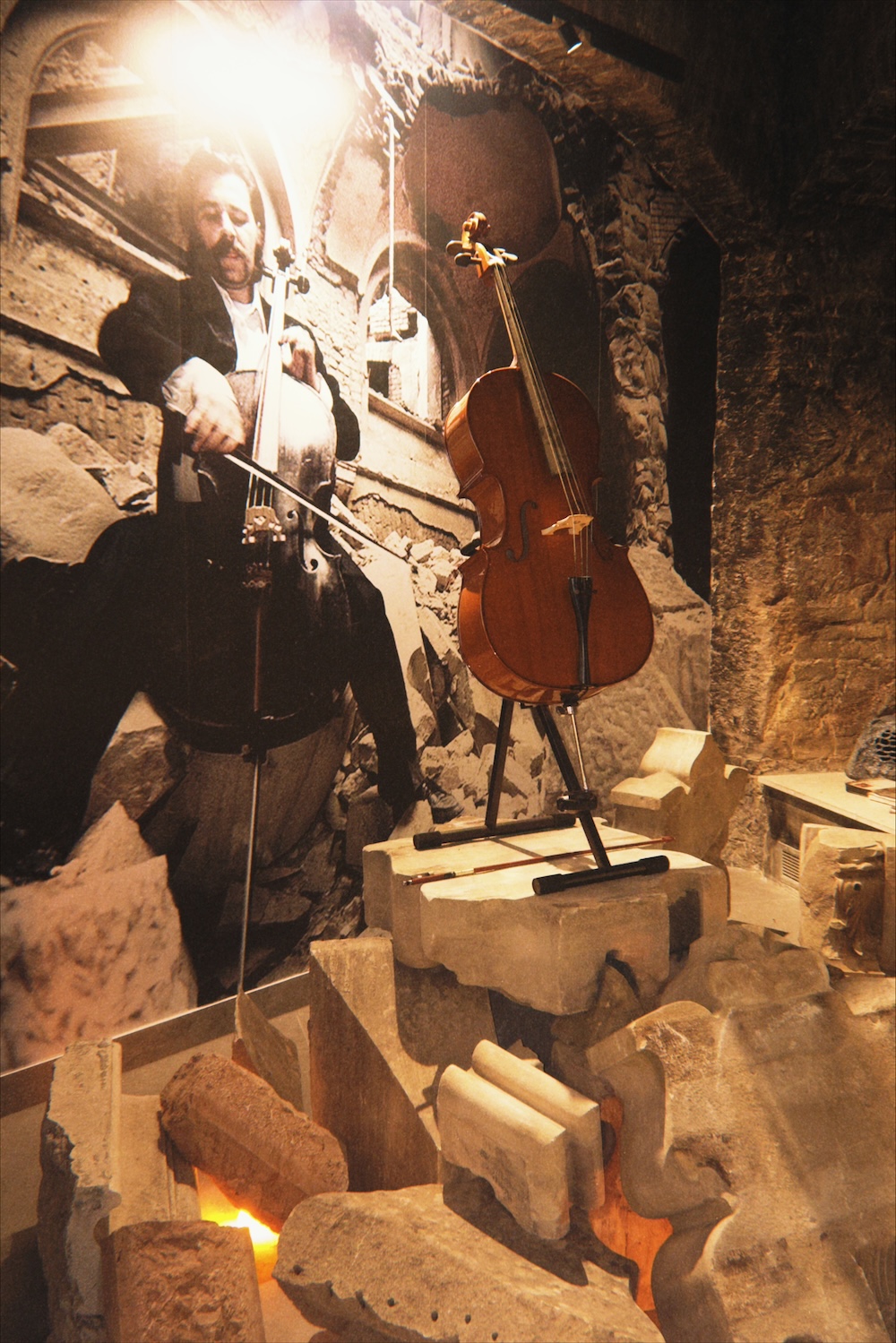
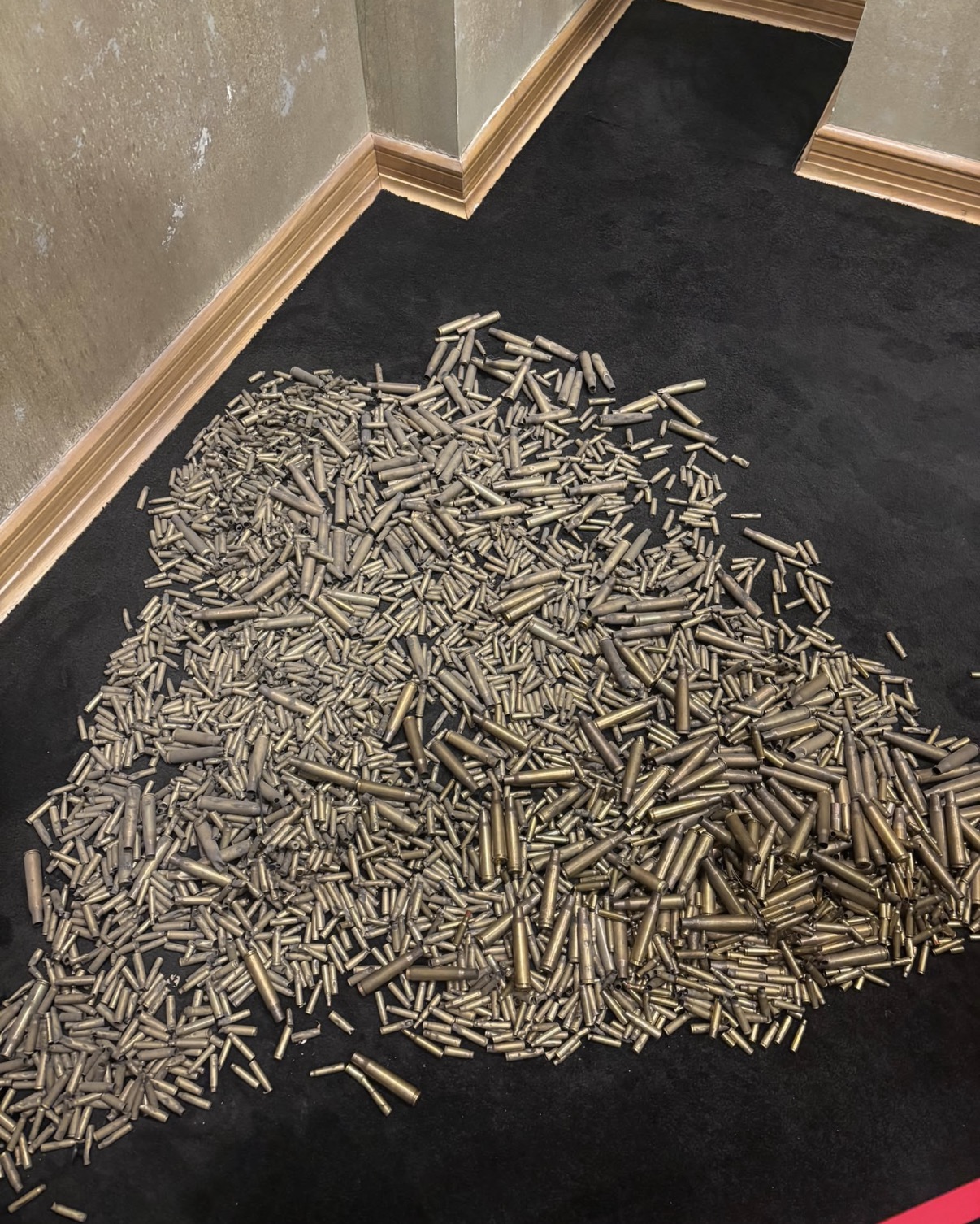
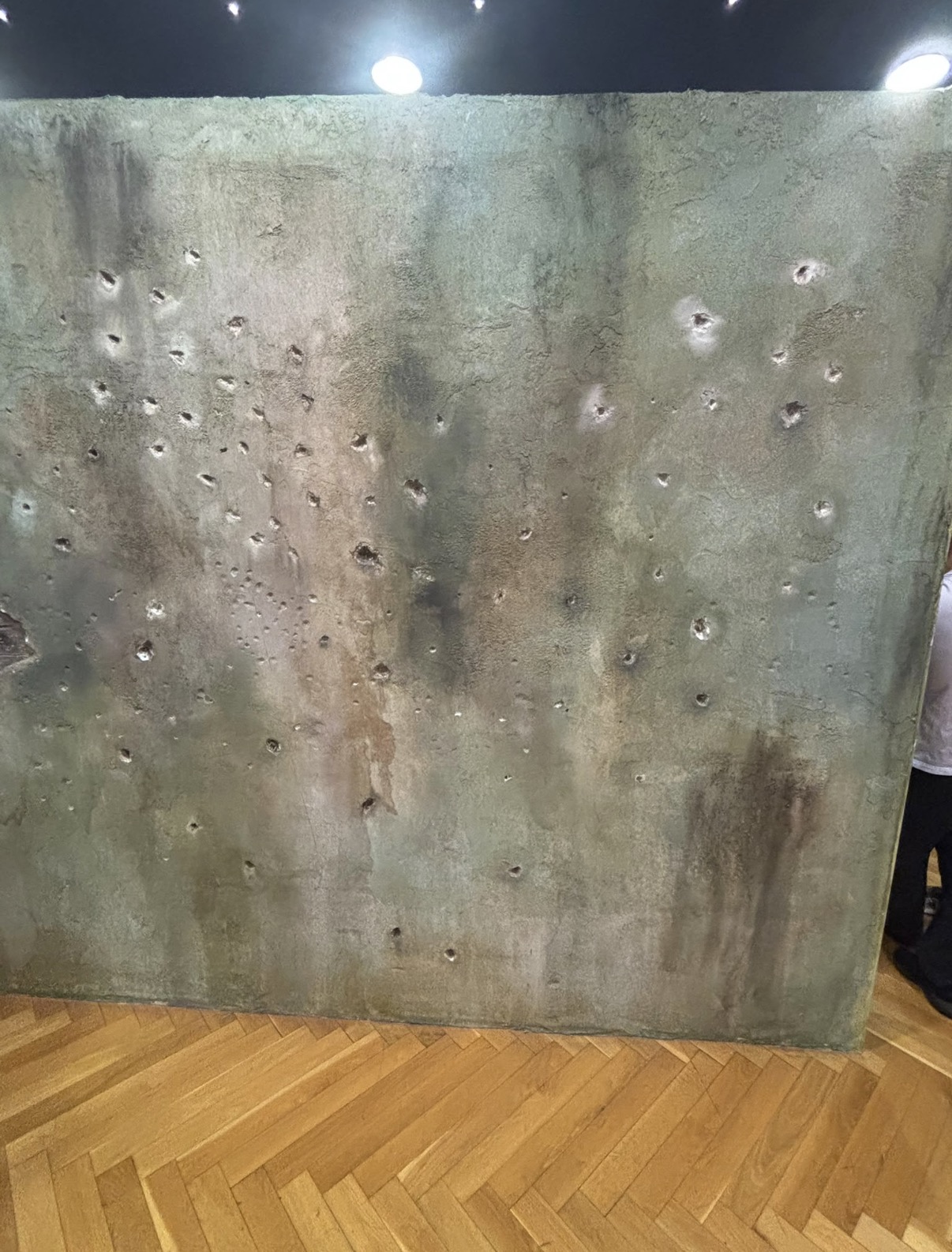
Photos of the exhibition by Milomir Kovačević Strašni