Vijesti Informativnog centra o Međunarodnom krivičnom sudu za bivšu Jugoslaviju (MKSJ) Sarajevo
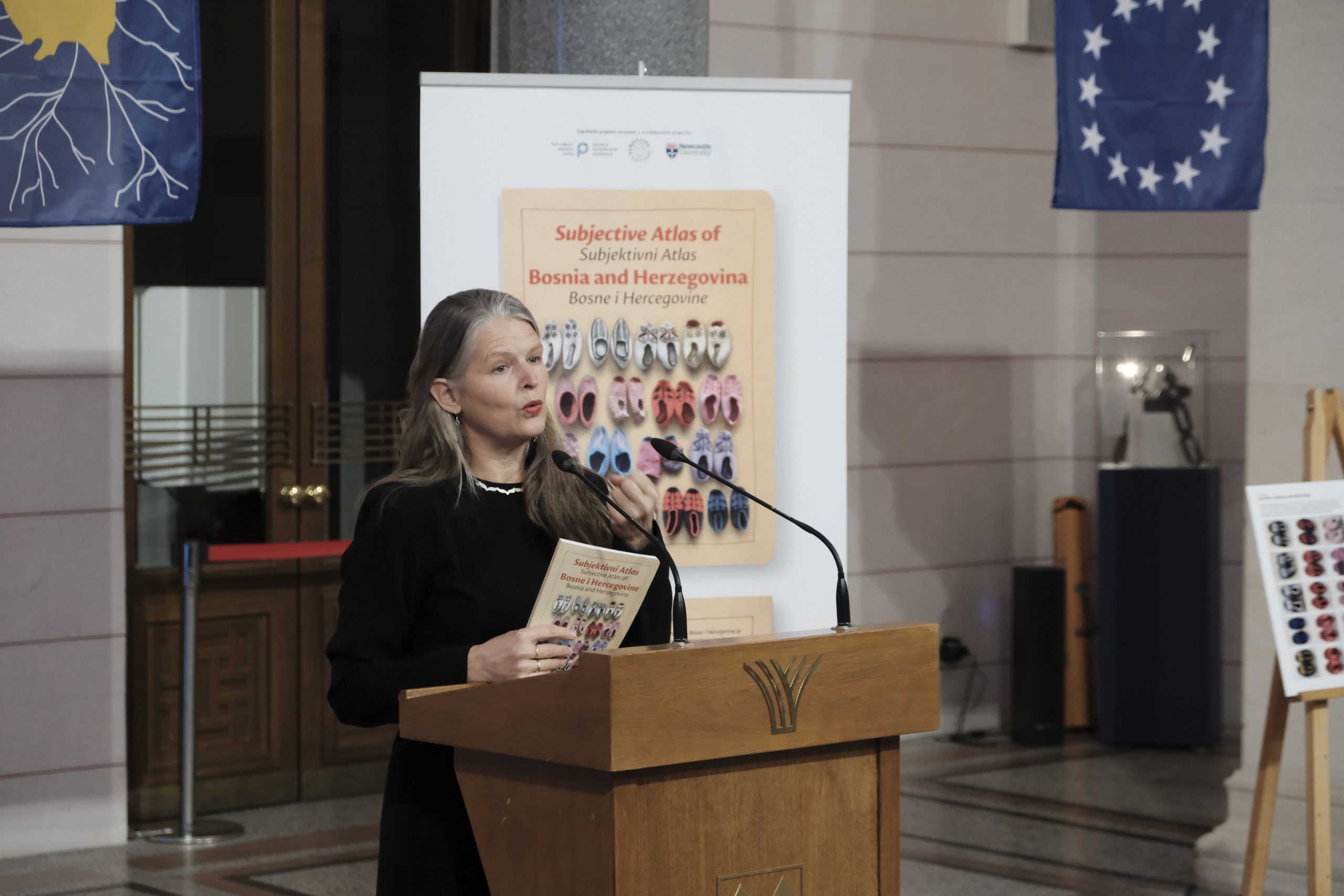
The Subjective Atlas of Bosnia and Herzegovina Presented – 30 Years After Dayton
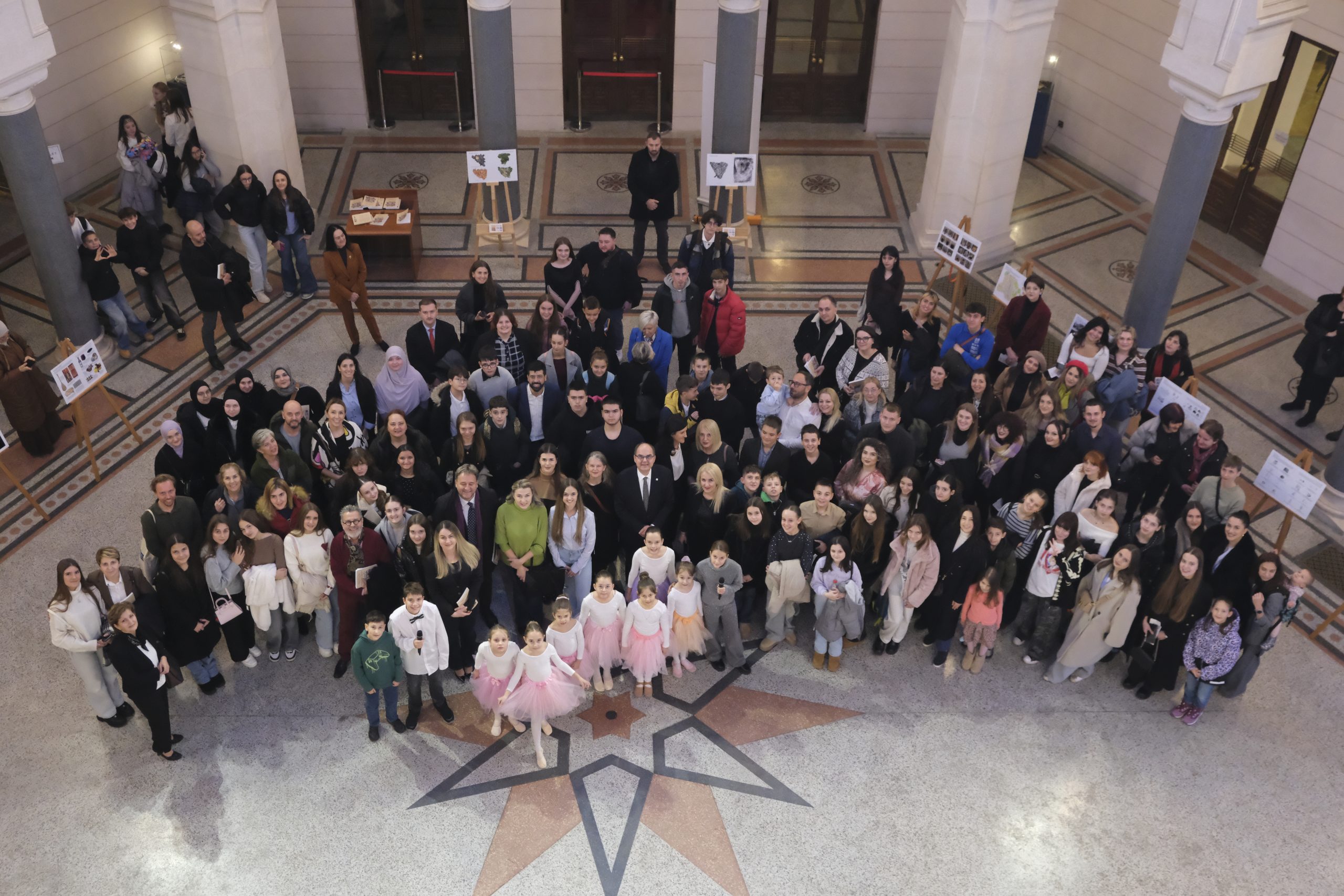
The Subjective Atlas of Bosnia and Herzegovina was created through a partnership between the Post-Conflict Research Center, Subjective Editions from Brussels, and Newcastle University. The Sarajevo exhibition was organized in cooperation with the City of Sarajevo and the Sarajevo Information Center on the International Criminal Tribunal for the former Yugoslavia (ICTY), with the support of JP Sarajevo and the band Frtutma Kids.
The Mayor of Sarajevo, as the host of the event, emphasized the importance of the exhibition for fostering a culture of dialogue and mutual understanding in Bosnia and Herzegovina:
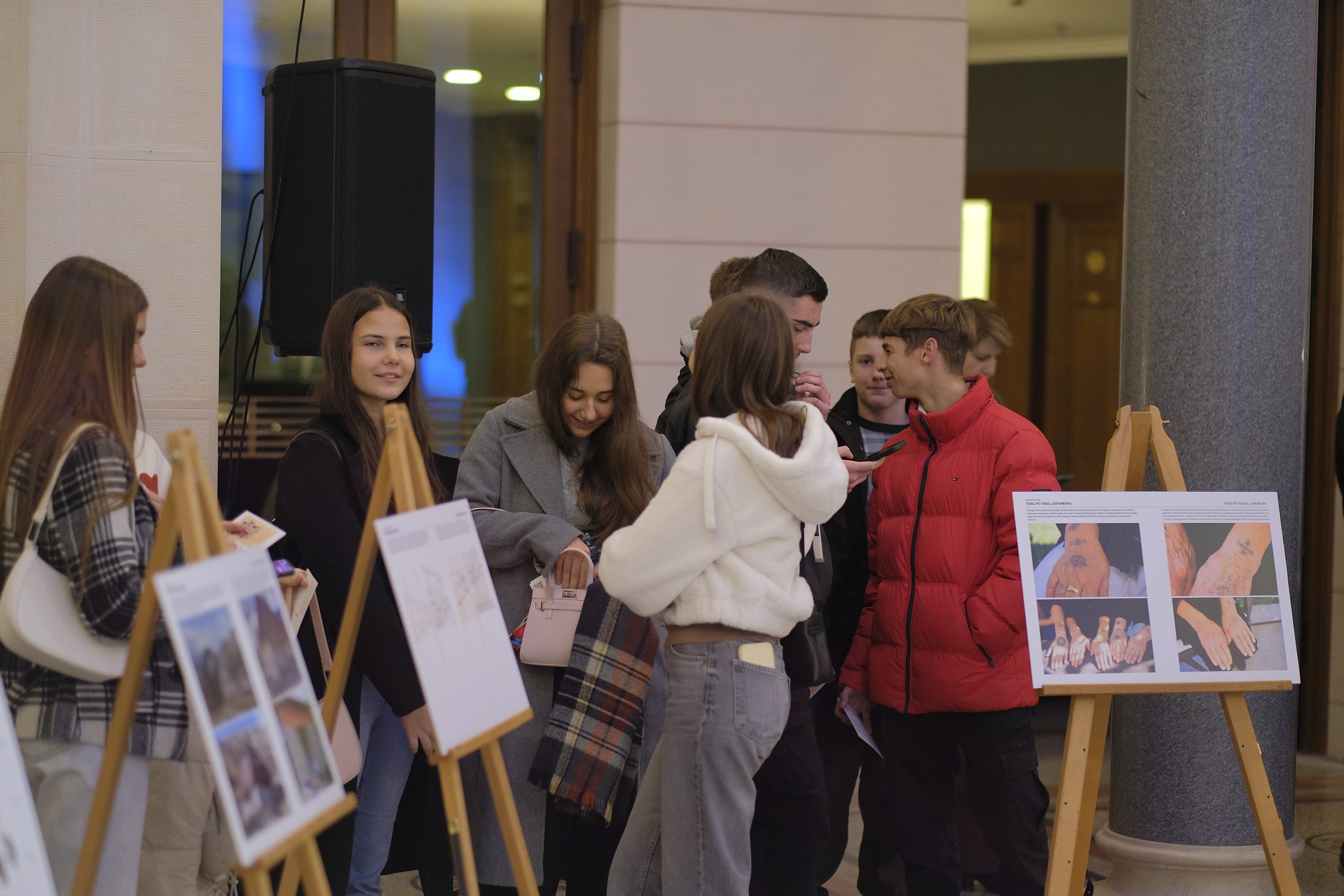
“Today, the City Hall once again becomes a symbol of encounter, dialogue, and shared reflection. We are proud that Sarajevo has the honour of hosting young authors whose works showcase the power of creativity and hope for the future of Bosnia and Herzegovina. Their drawings, maps, and photographs remind us that peace is not merely the absence of conflict, but a space we must continuously rebuild.
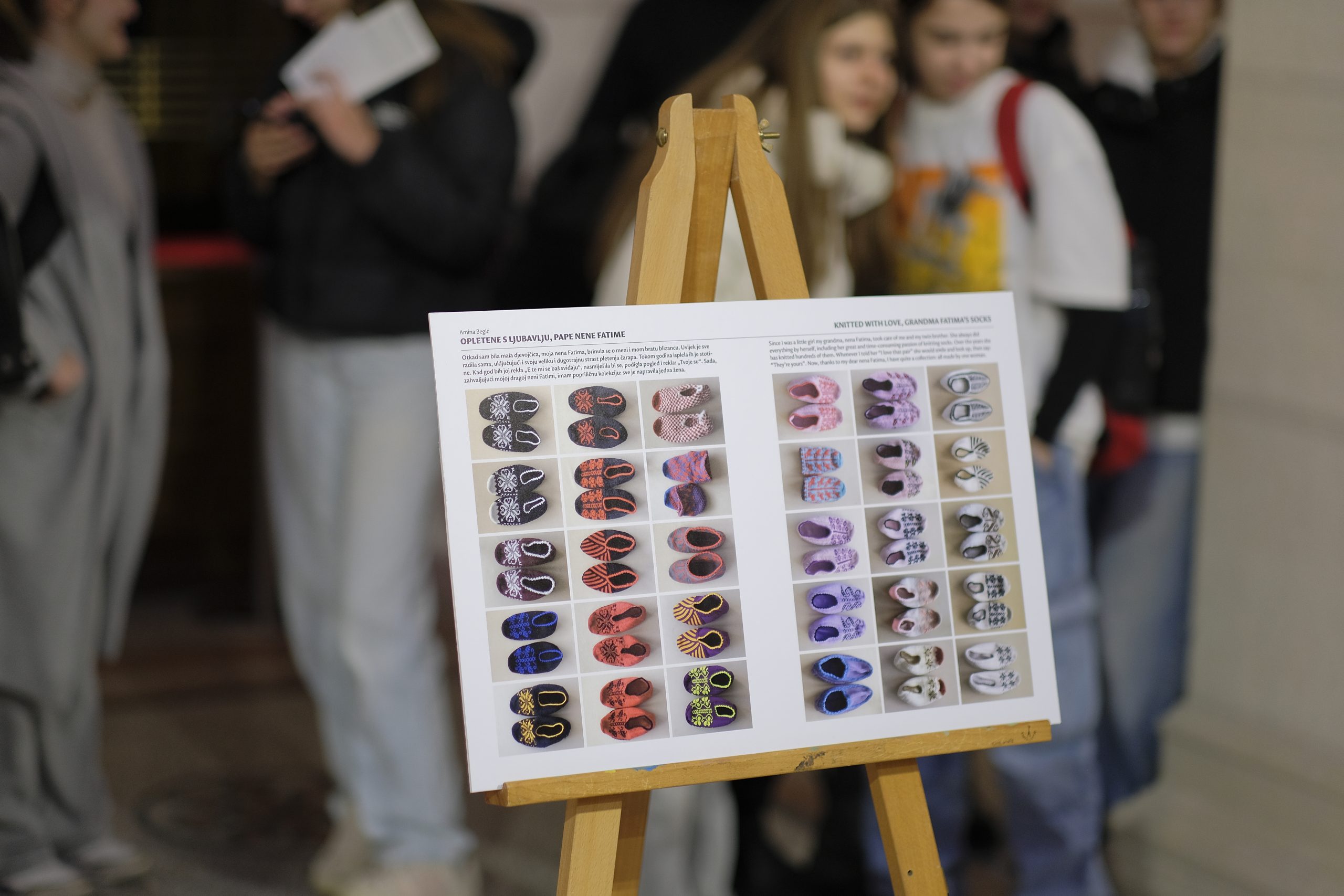
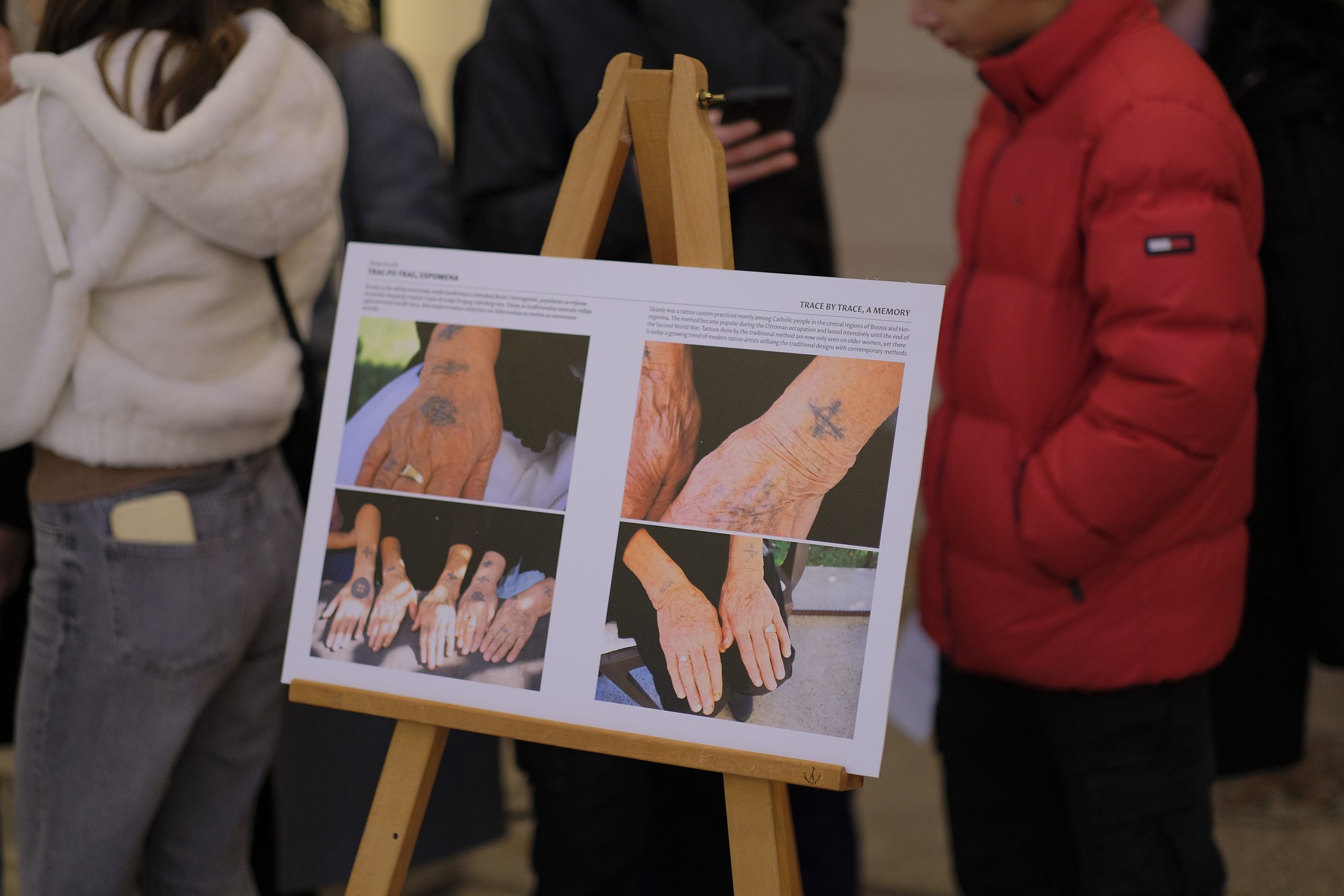
The Subjective Atlas exhibition is like a Bosnian carpet skilfully woven with the threads of tradition, where thematic stories of Bosnia and Herzegovina intertwine. Through imagination and critical thinking, 88 young authors have given their personal touch to this exhibition. Let us support the youth who offer us maps of a free world without violence, war, and prejudice.”
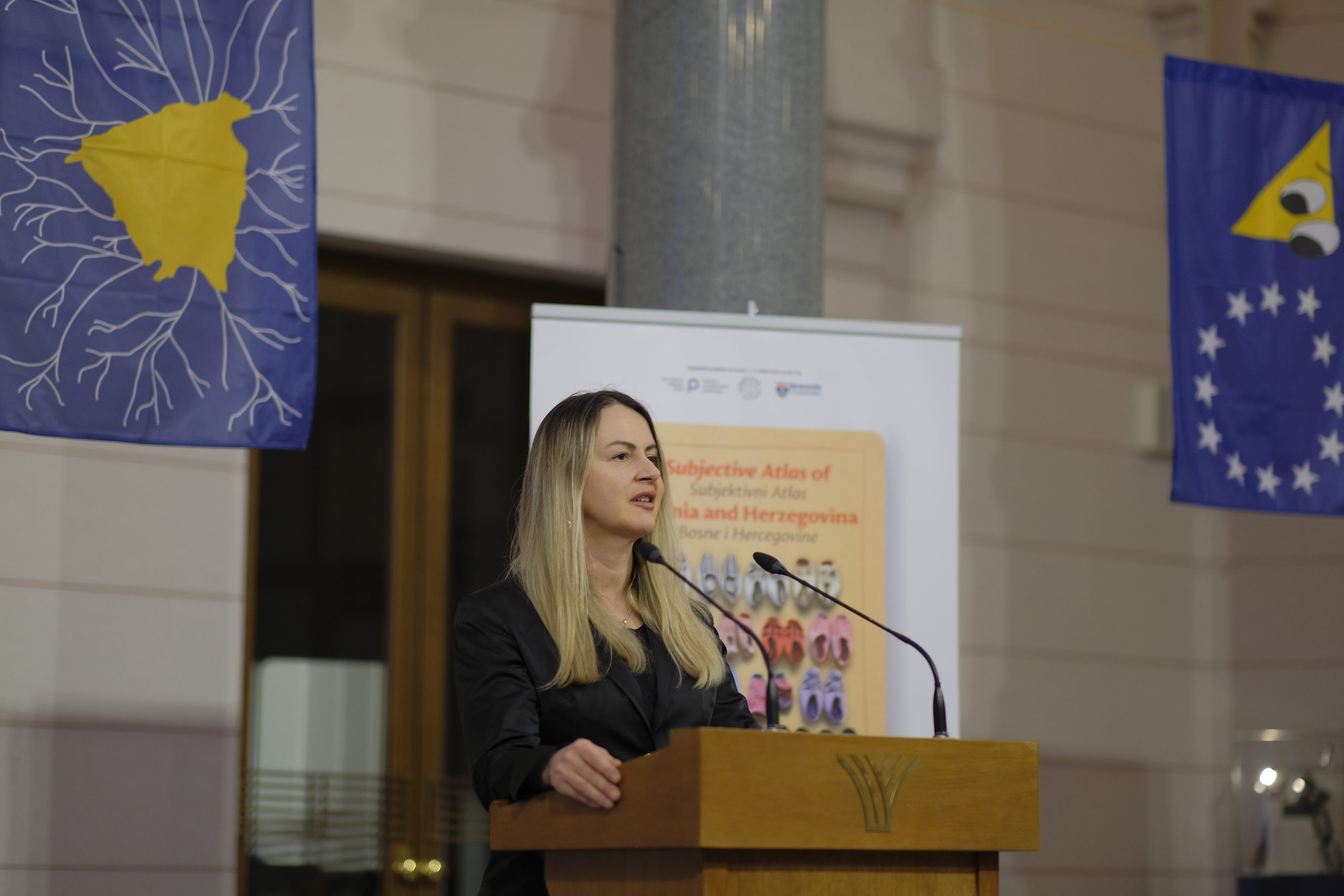
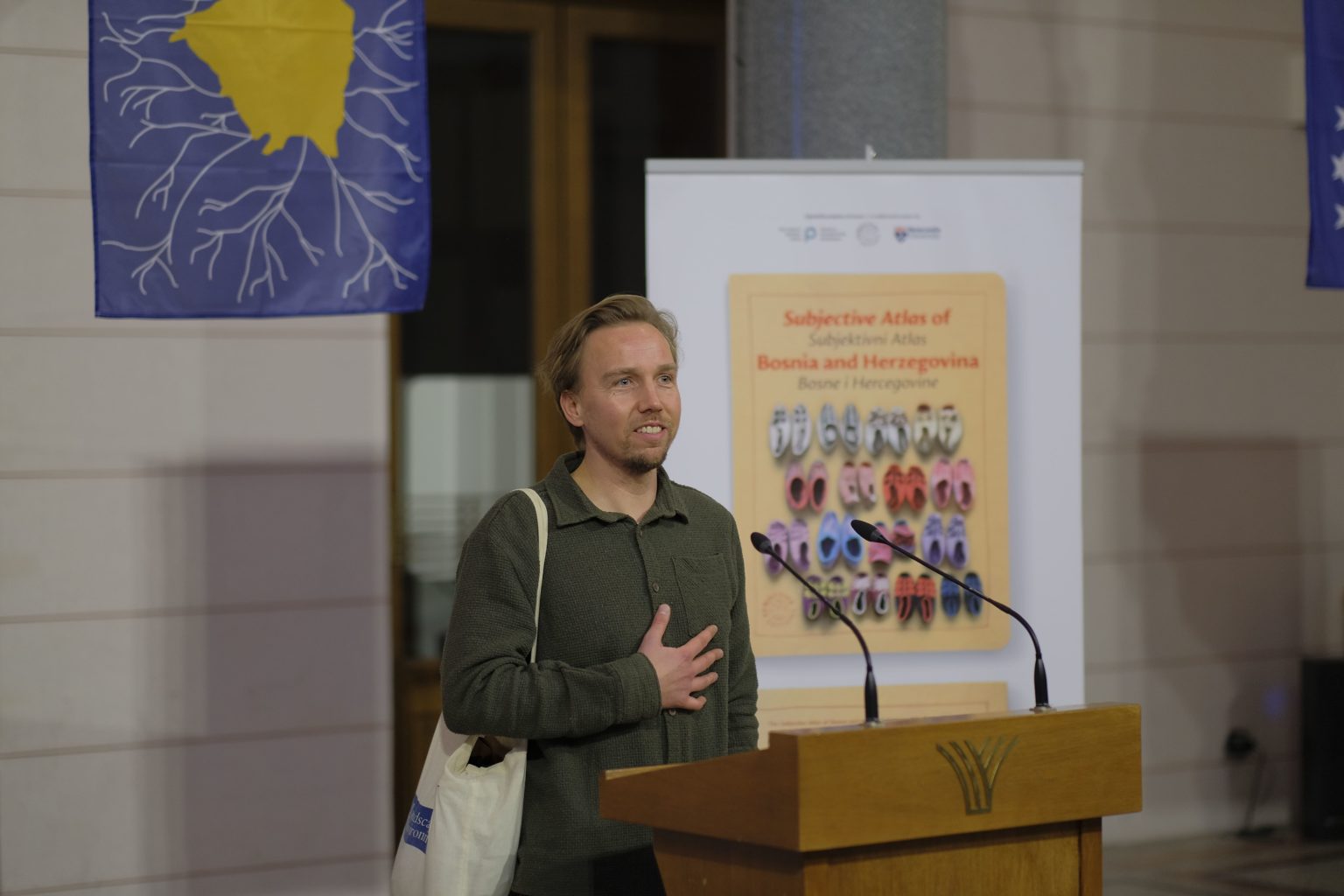
Annelys De Vet, founder and one of the editors of the Atlas, stated that over the two years of work, they collected more than eighty personal maps created by people living in a country that, as she says, “for too long been defined by others.”
According to De Vet, the Atlas “creates space for critical imagination and invites us to see Bosnia and Herzegovina not as divided, but as a layered place of intertwined histories and a strong future—mapped from within.”
Geographer James Riding highlighted that the images in the Atlas are “intimate maps of everyday life,” created during participatory workshops involving drawing, collage-making, music, and collective projects.
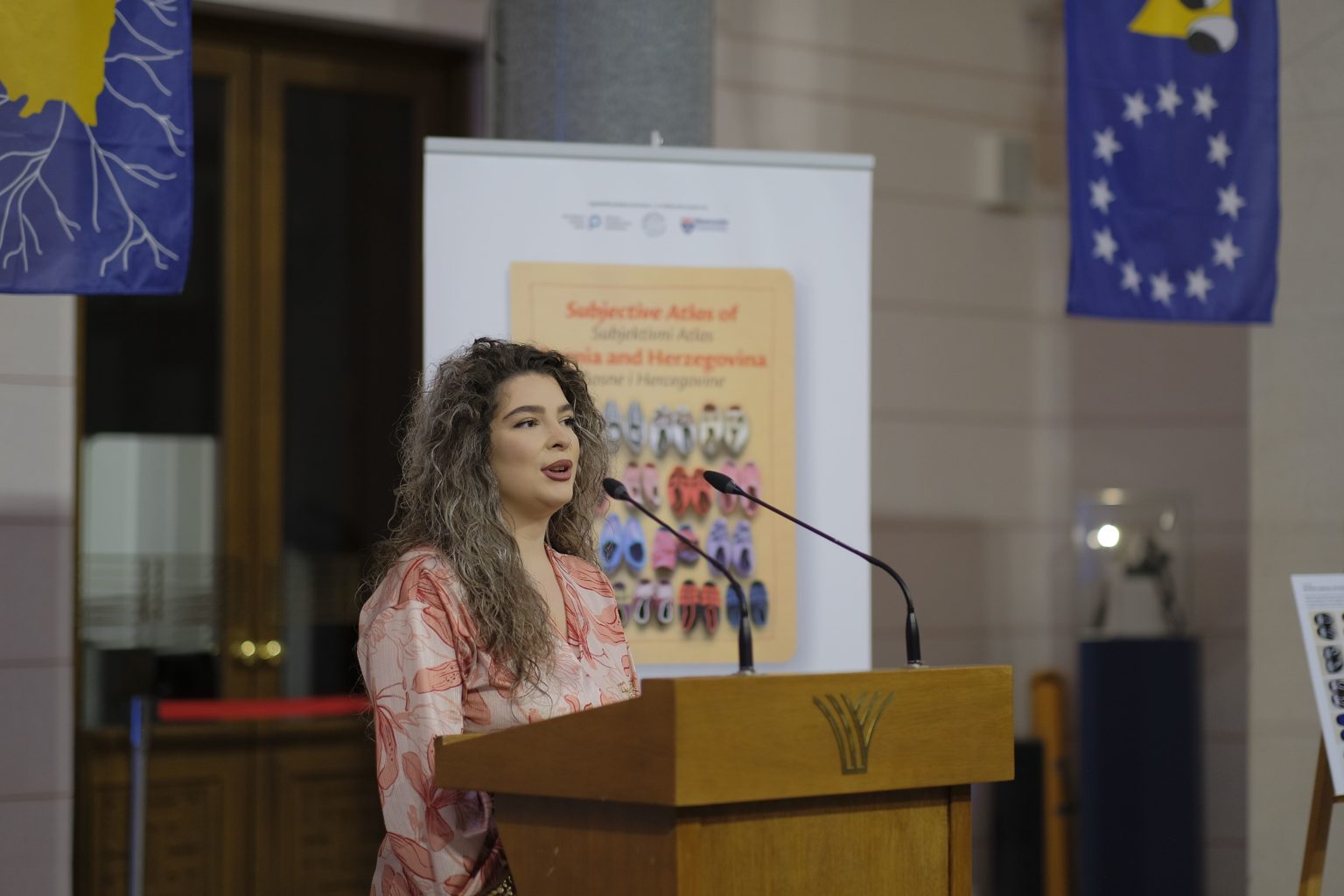
Velma Šarić, founder and president of the Post-Conflict Research Center, emphasized that “creative approaches have the power to serve as tools on the path to peacebuilding,” and that presenting the Atlas in December carries special symbolism, as it allows the legacy of 30 years of peace in BiH to be viewed through the eyes of young people.
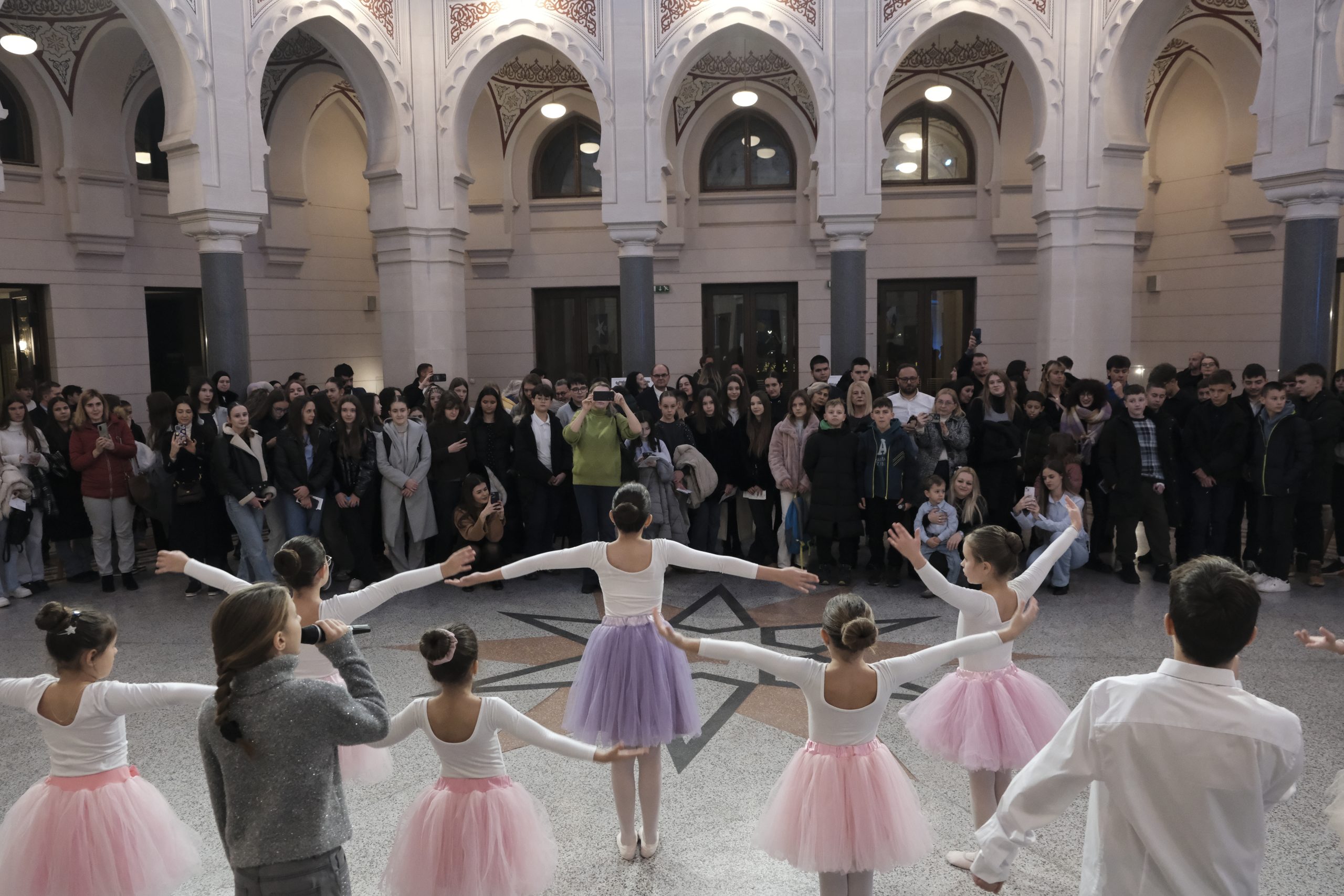
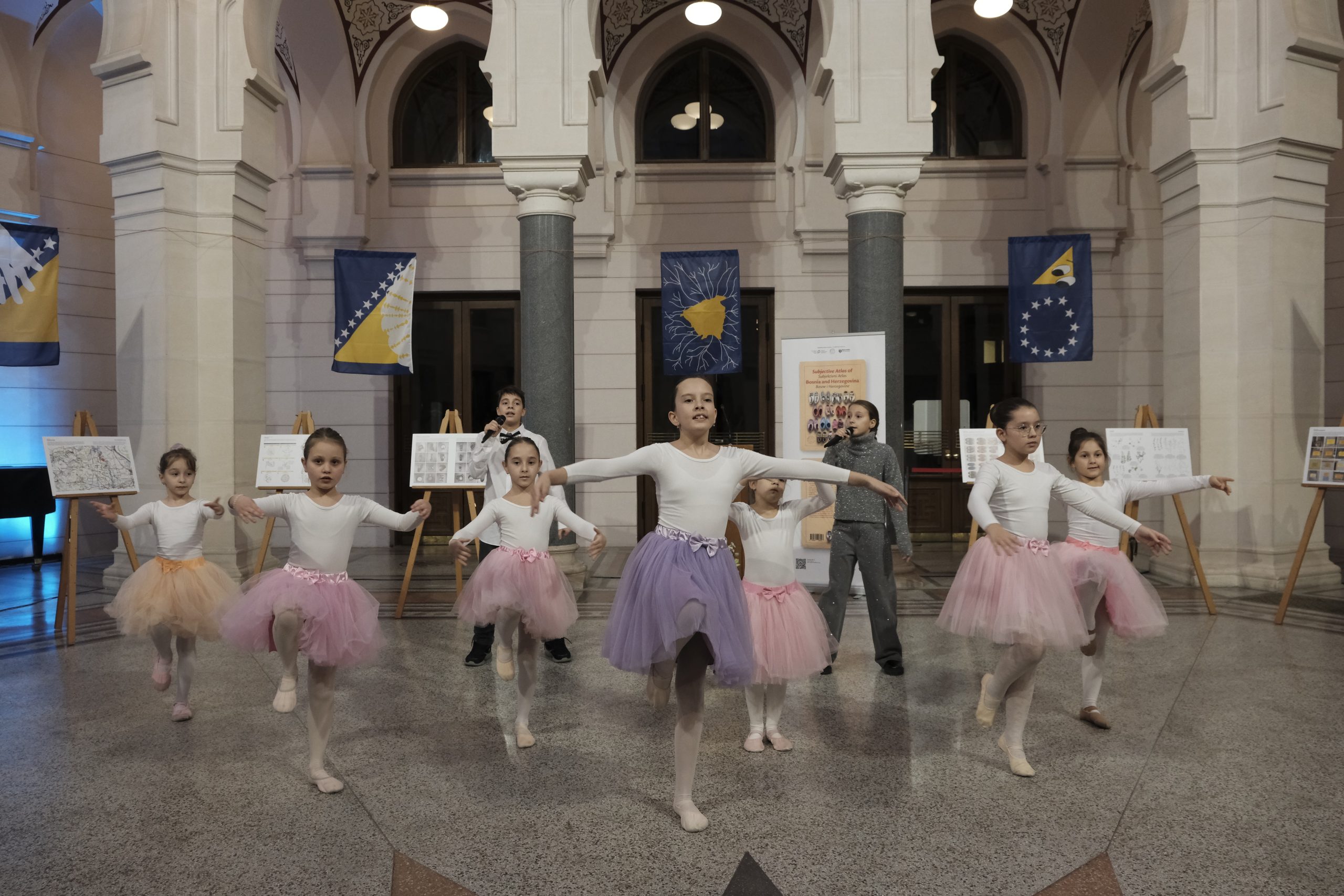
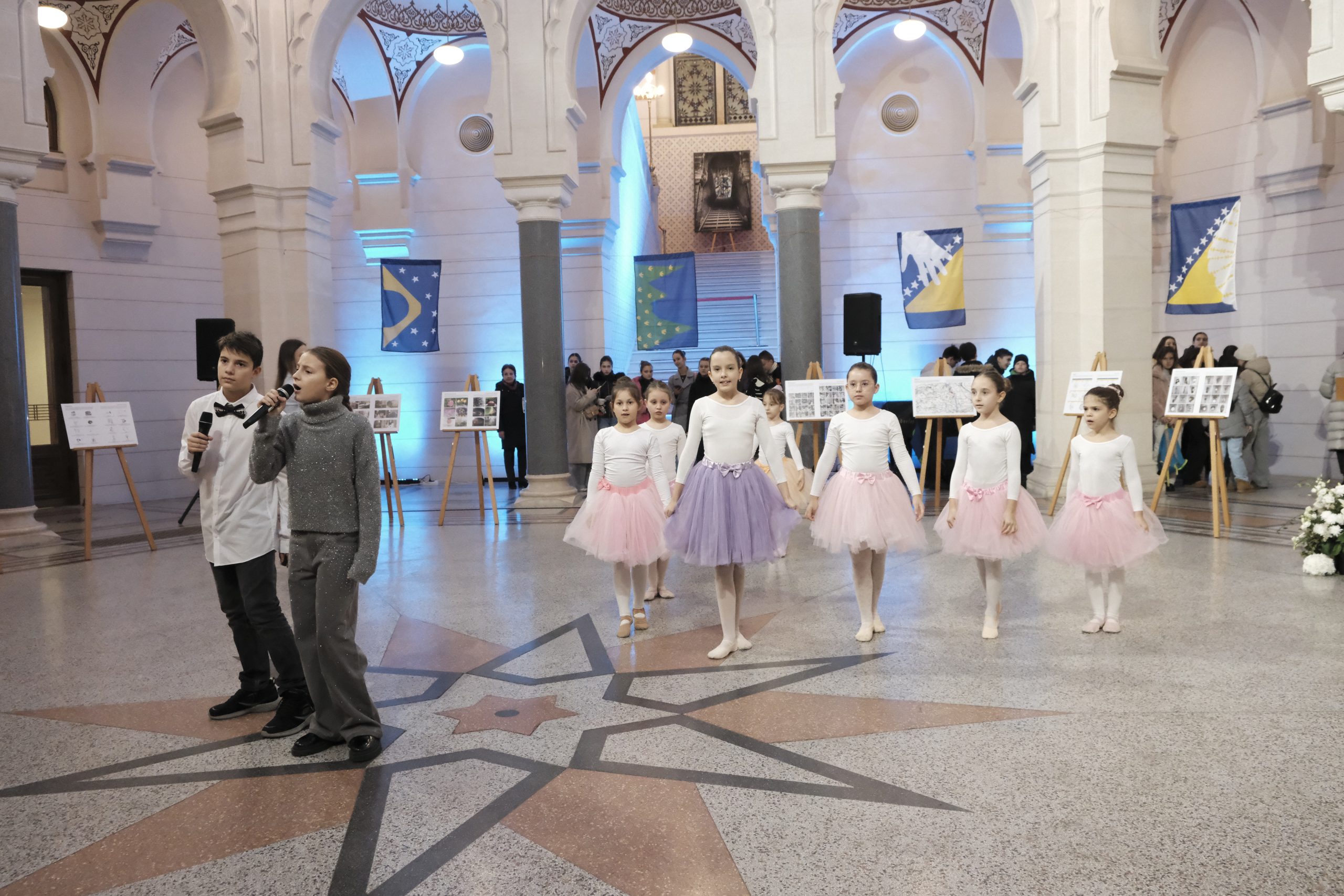
Visitors also enjoyed a performance by the children’s band Frtutma Kids and their ballerinas, adding extra energy and warmth to the evening program. Mirela Čengić, founder and president of the association, stated: “Young people always feel change the loudest. It is our duty to support them, because they create the melody of a future that belongs to everyone.”
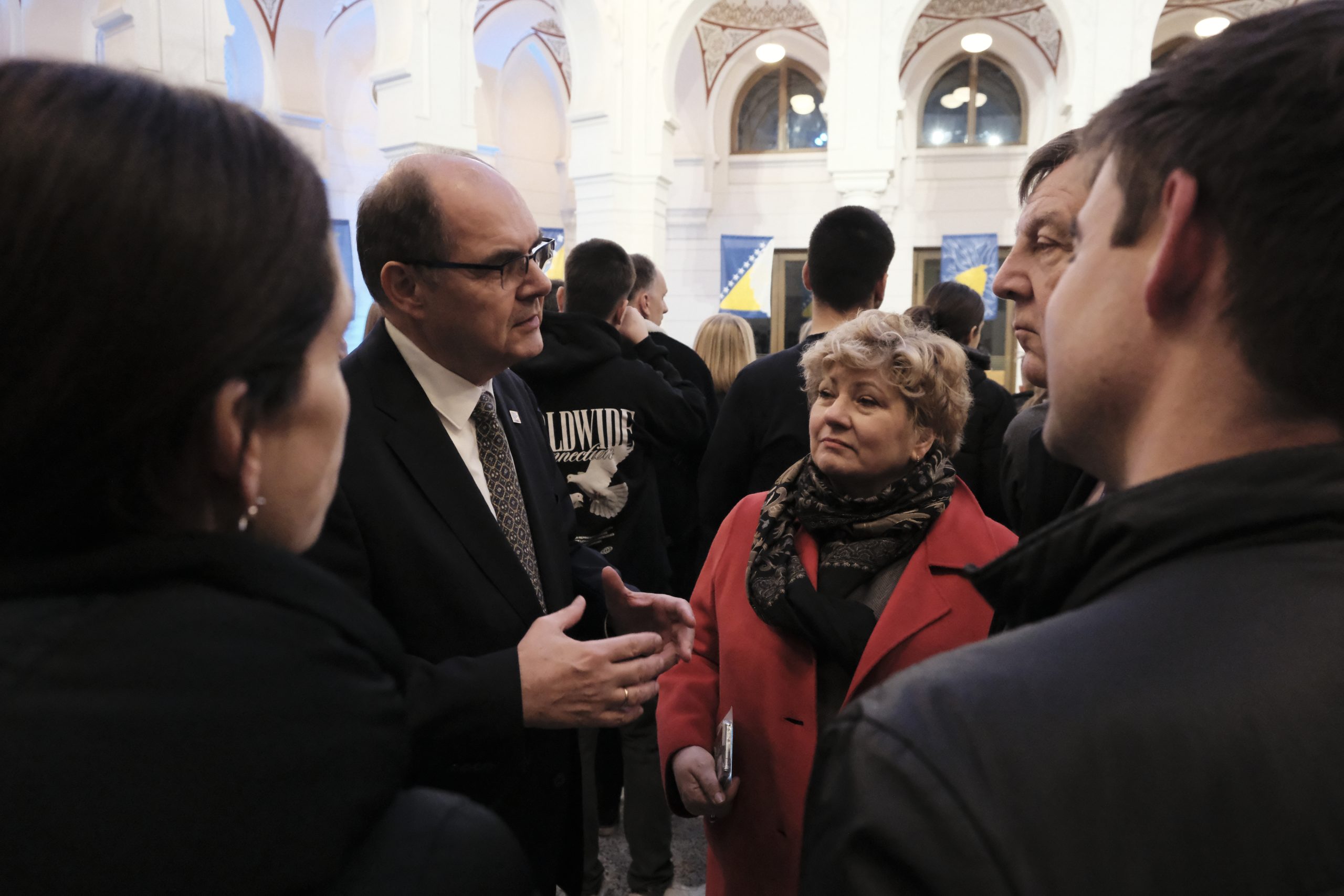
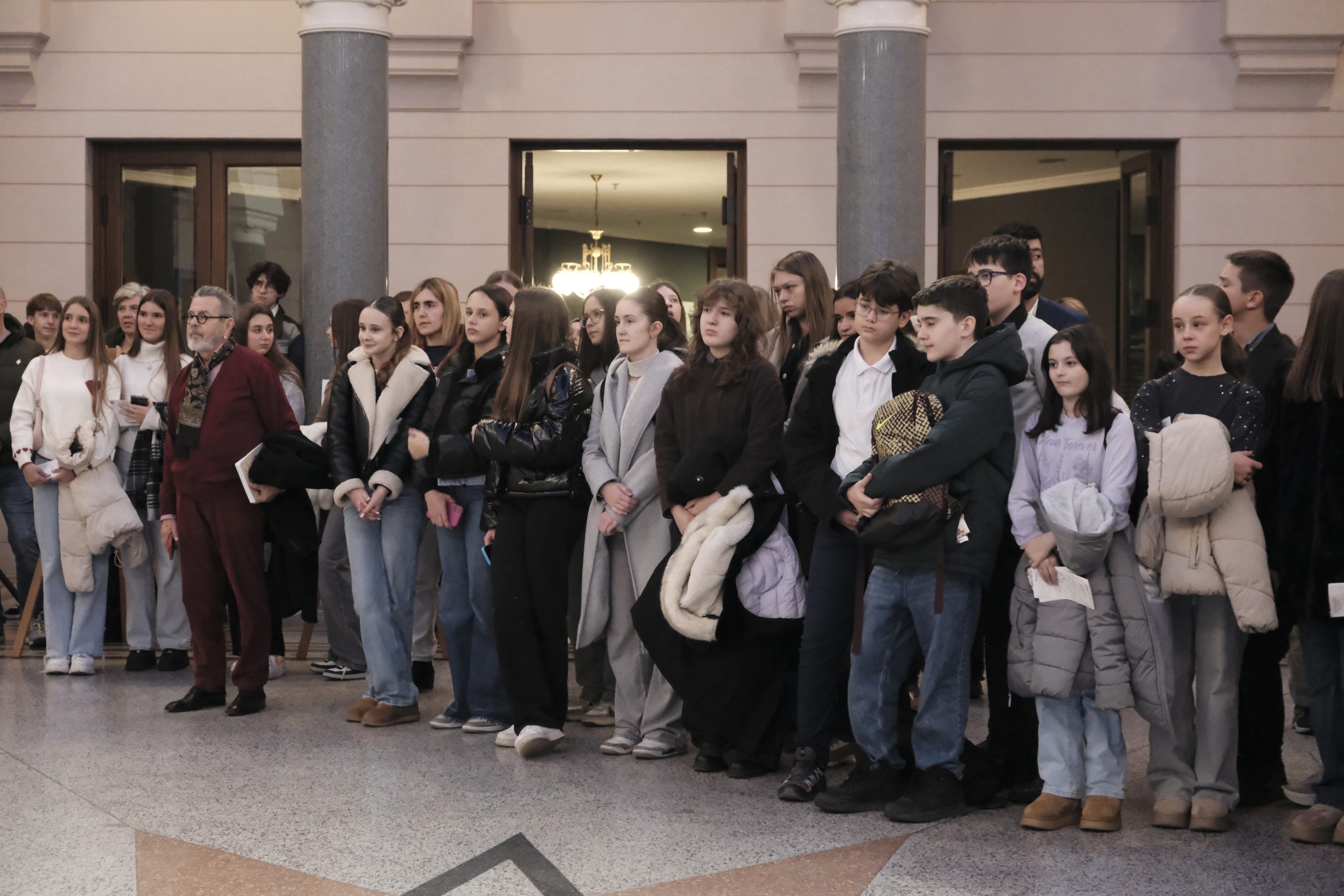
The event was attended by many representatives of the diplomatic corps, including the High Representative in Bosnia and Herzegovina, Christian Schmidt, accompanied by his wife; H.E. Walid Ahmed Abdelfattah Haggag, Ambassador of the Arab Republic of Egypt; as well as many other representatives of international and domestic institutions in Bosnia and Herzegovina.