Vijesti Informativnog centra o Međunarodnom krivičnom sudu za bivšu Jugoslaviju (MKSJ) Sarajevo
International Students Visit Sarajevo Information Centre
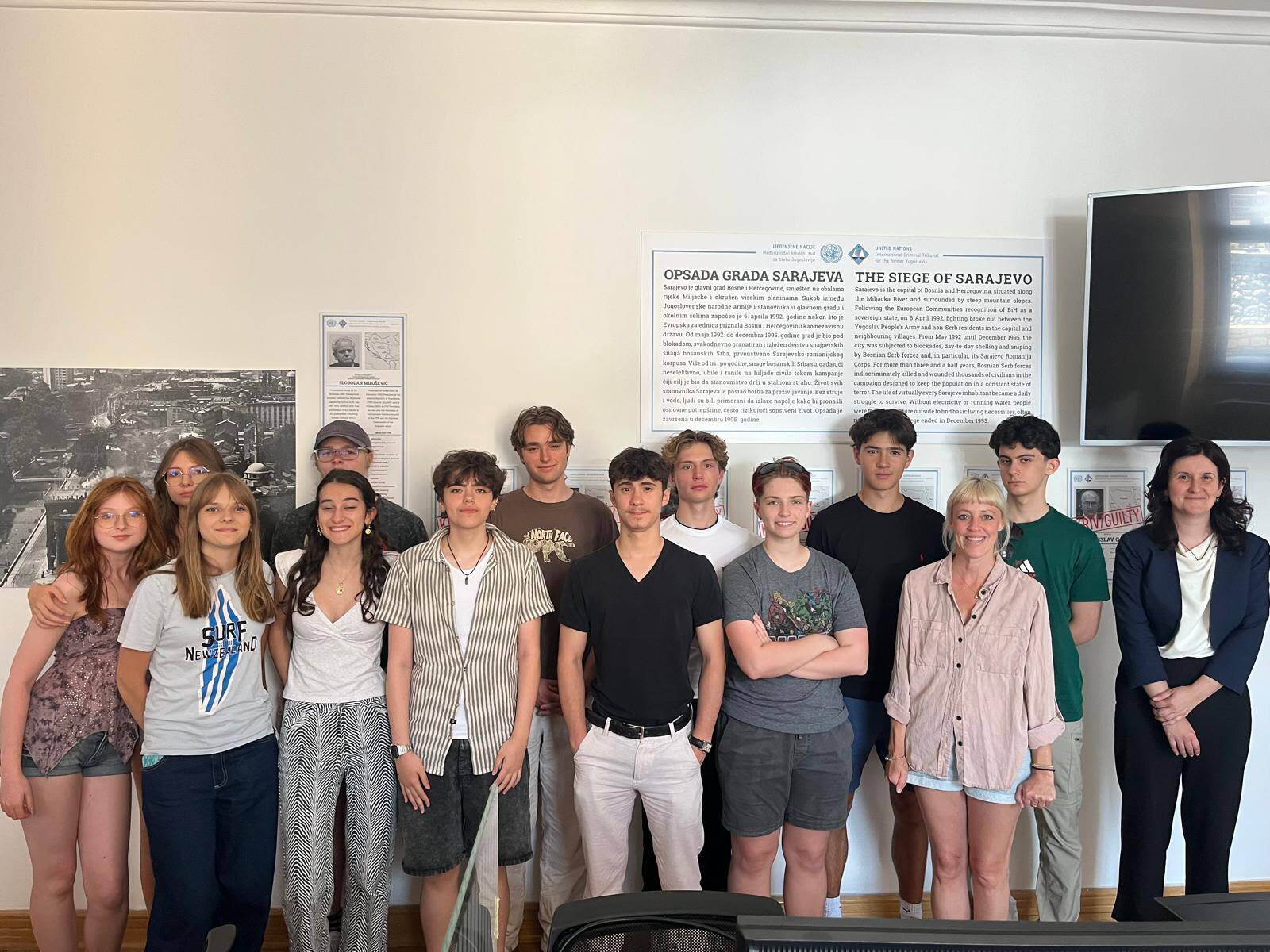
A group of 14 high school students from an international school’s Global Politics workshop attended an educational lecture hosted at the Sarajevo Information Centre on the International Criminal Tribunal for the former Yugoslavia (ICTY), located in the City Hall (Vijećnica).
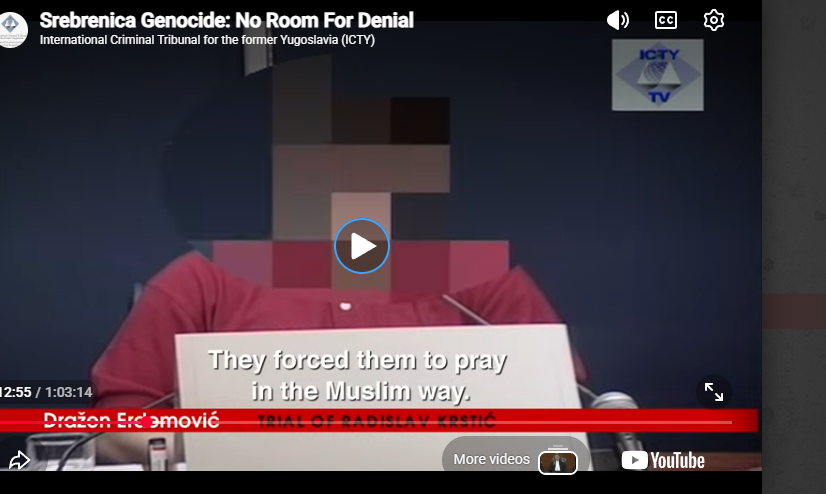
The lecture focused on the landmark Appeals Judgment in Prosecutor v. Radislav Krstić, one of the Tribunal’s most influential decisions in the development of international criminal law and the first international judgment to legally establish that the massacres committed in Srebrenica in July 1995 constituted genocide.
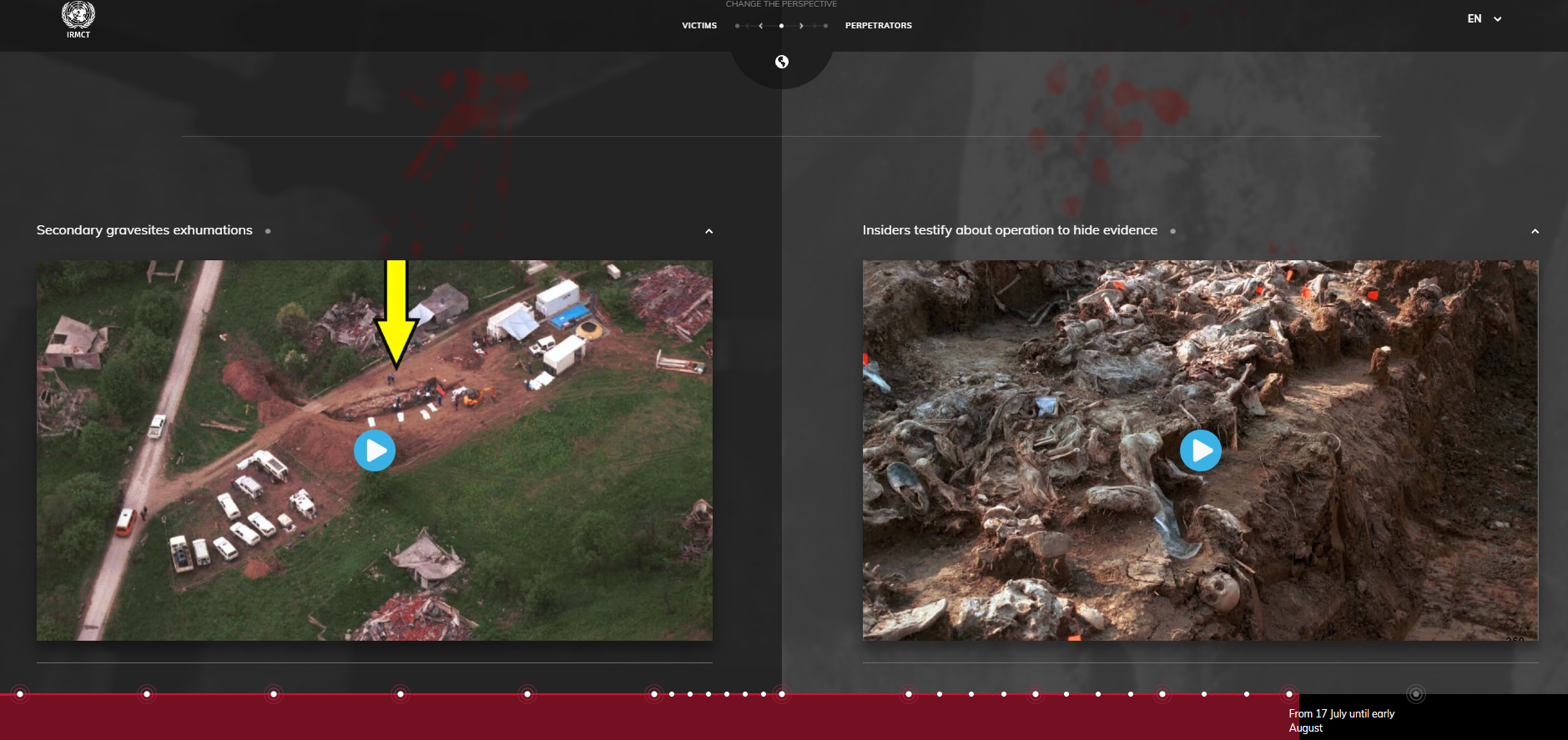
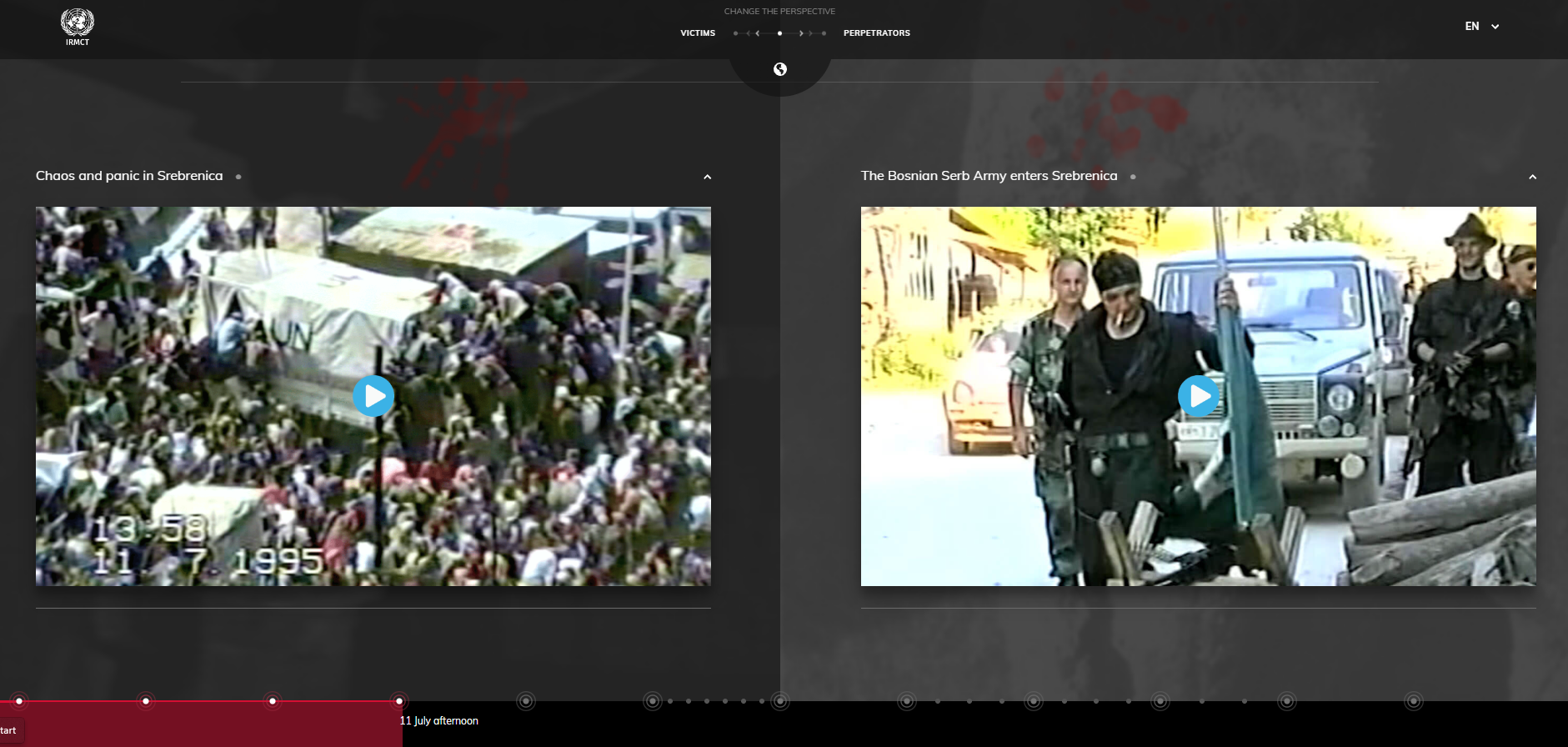
The presentation drew extensively on evidentiary materials featured in the Mechanism for International Criminal Tribunals (MICT) Timeline of Genocide, allowing participants to engage directly with the primary sources presented before the Tribunal. These included authenticated military and political documents, operational orders, intercepted communications, maps, forensic evidence, witness testimony, survivor accounts, and audiovisual materials, all examined alongside the ICTY’s definitive judicial findings.
By combining the Tribunal’s jurisprudence with original evidentiary materials preserved through the MICT’s Timeline of Genocide, the lecture illustrated how international criminal proceedings transform documentary records, military orders, political decisions, witness testimony, forensic findings, and physical evidence into judicially tested proof. The session provided participants with a practical understanding of the rigorous evidentiary standards applied by international courts and the legal principles governing accountability for genocide, reinforcing the lasting contribution of the ICTY to the development of international criminal justice.
The students demonstrated a high level of interest in the lecture, engaging in an active Q&A session concerning the legal and historical aspects of the topic. Following the lecture, the participants concluded their visit with a guided tour of the historic Sarajevo City Hall.