Vijesti Informativnog centra o Međunarodnom krivičnom sudu za bivšu Jugoslaviju (MKSJ) Sarajevo
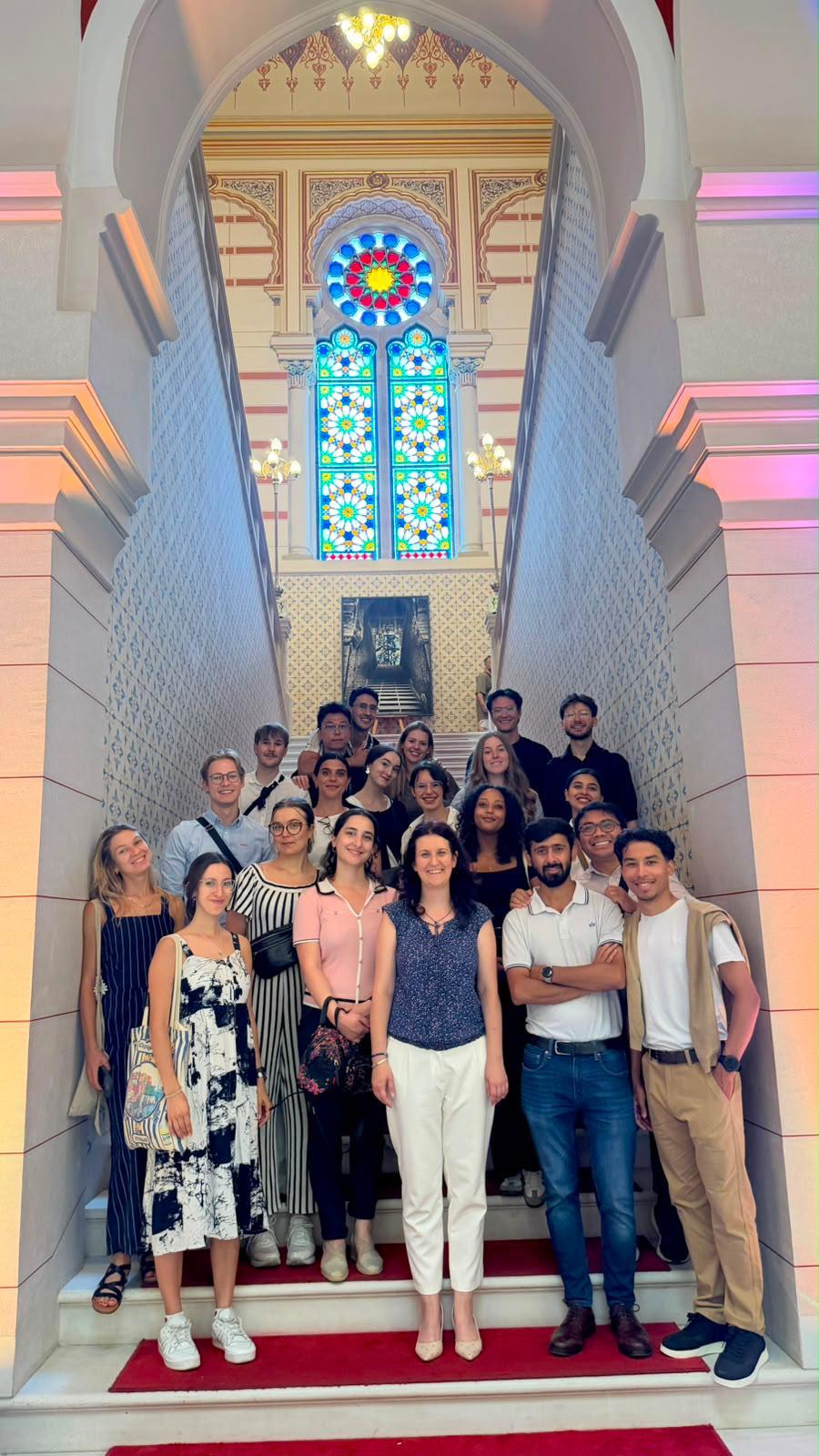
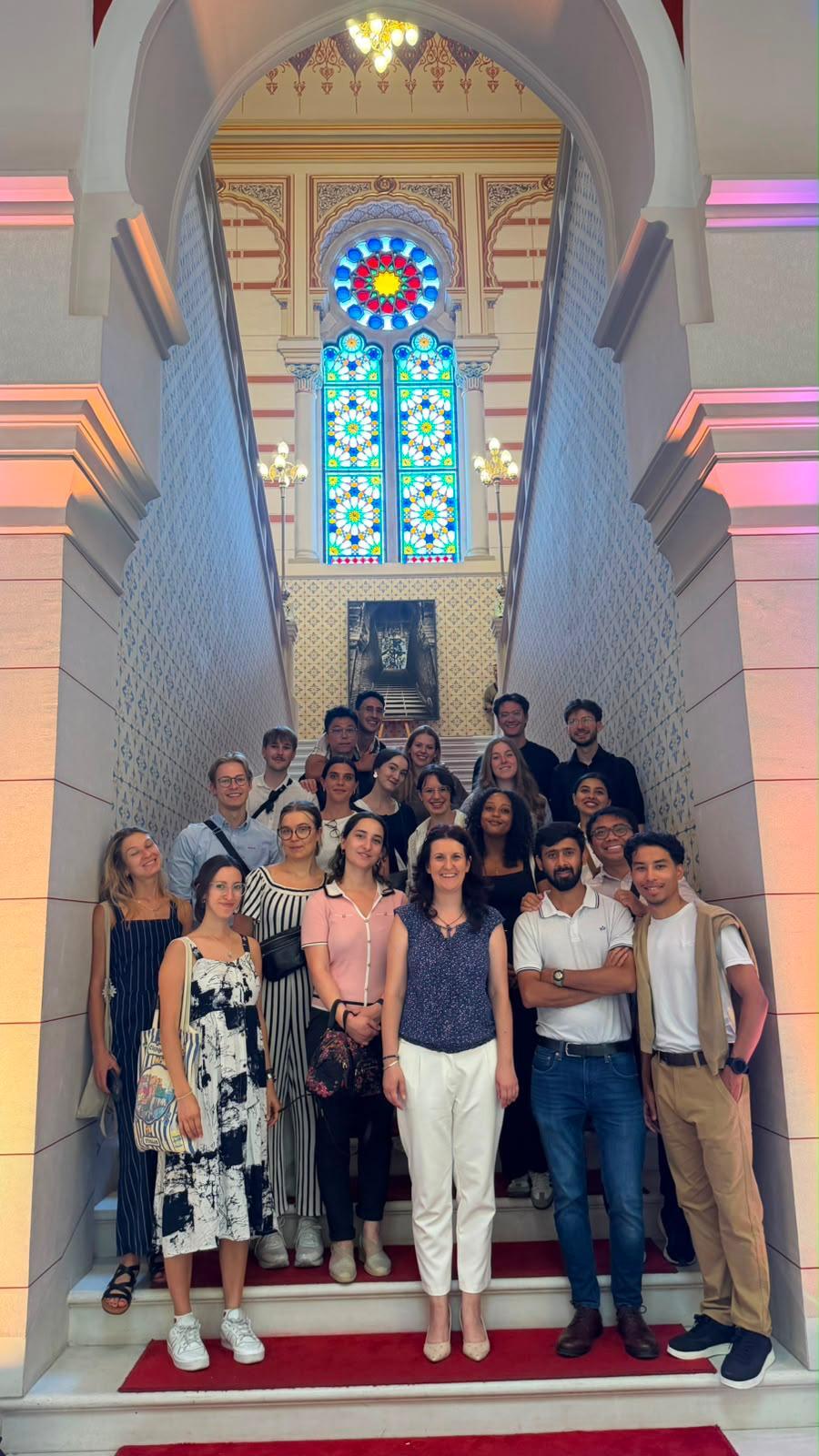
A Group of 25 Geneva Academy Students Visits the Sarajevo ICTY Information Centre
A group of 25 students from the Geneva Academy visited the ICTY Information Centre as part of a student-organised study trip marking the end of their academic year. The visit provided students with an opportunity to complement their study of international criminal law through direct engagement with the Tribunal’s history and jurisprudence. Having examined the ICTY’s landmark cases throughout their studies, participants explored the Centre’s permanent exhibition, which features original documents, photographs, witness testimonies, and evidentiary materials used during investigations and court proceedings.
A particularly valuable aspect of the visit was the opportunity to examine firsthand evidentiary photographs, documents, and intercepted communications that had formed part of the court records in ICTY cases. Seeing these materials in person underscored the crucial role of evidence in establishing individual criminal responsibility for genocide, crimes against humanity, and war crimes. The exhibition demonstrated how documents, photographs of personal belongings, forensic findings, and witness testimonies were collected, preserved, and presented as evidence that supported judicial findings and contributed to the historical record.
The visit also encouraged students to reflect on the development of international criminal law. The ICTY Statute, adopted by the United Nations Security Council in 1993, laid important foundations for modern international criminal law. Many of its substantive and procedural principles were later incorporated into the 1998 Rome Statute of the International Criminal Court (ICC), including the prosecution of genocide, crimes against humanity, and war crimes, the principle of individual criminal responsibility, and the right of the accused to a fair trial.
By connecting the legal principles studied in the classroom with the physical evidence presented at the Centre, students gained a deeper understanding of how international criminal law operates in practice. The exhibits demonstrated that international justice is built not only on legal principles and judicial reasoning but also on the careful collection, preservation, and presentation of evidence capable of proving crimes beyond a reasonable doubt.
The guided tour also highlighted the ICTY’s enduring contribution to documenting the conflicts in the former Yugoslavia, combating denial, preserving historical memory, and strengthening accountability for serious violations of international humanitarian law. Through discussions with the Centre’s experts, students gained valuable insight into the Tribunal’s investigative methods, judicial proceedings, and its lasting legacy in the development of international criminal justice.
Following their visit to the ICTY Information Centre, the group also toured Sarajevo City Hall (Vijećnica), one of Bosnia and Herzegovina’s most significant cultural and historical landmarks. The visit provided additional insight into the country’s rich multicultural heritage, the destruction the City Hall suffered during the 1992–1995 conflict, and the importance of preserving cultural heritage as an integral part of post-conflict recovery and reconciliation.
The visit once again reaffirmed the value of experiential learning in legal education, demonstrating how direct engagement with original sources, historical sites, and institutions of international justice enriches students’ understanding of the practical application of international criminal law beyond the classroom.